'70s Hair Is Trending—Should It Be?

Getting to the root of retro hair

PureWow editors select every item that appears on this page, and some items may be gifted to us. Additionally, PureWow may earn compensation through affiliate links within the story. All prices are accurate upon date of publish. You can learn more about the affiliate process here.

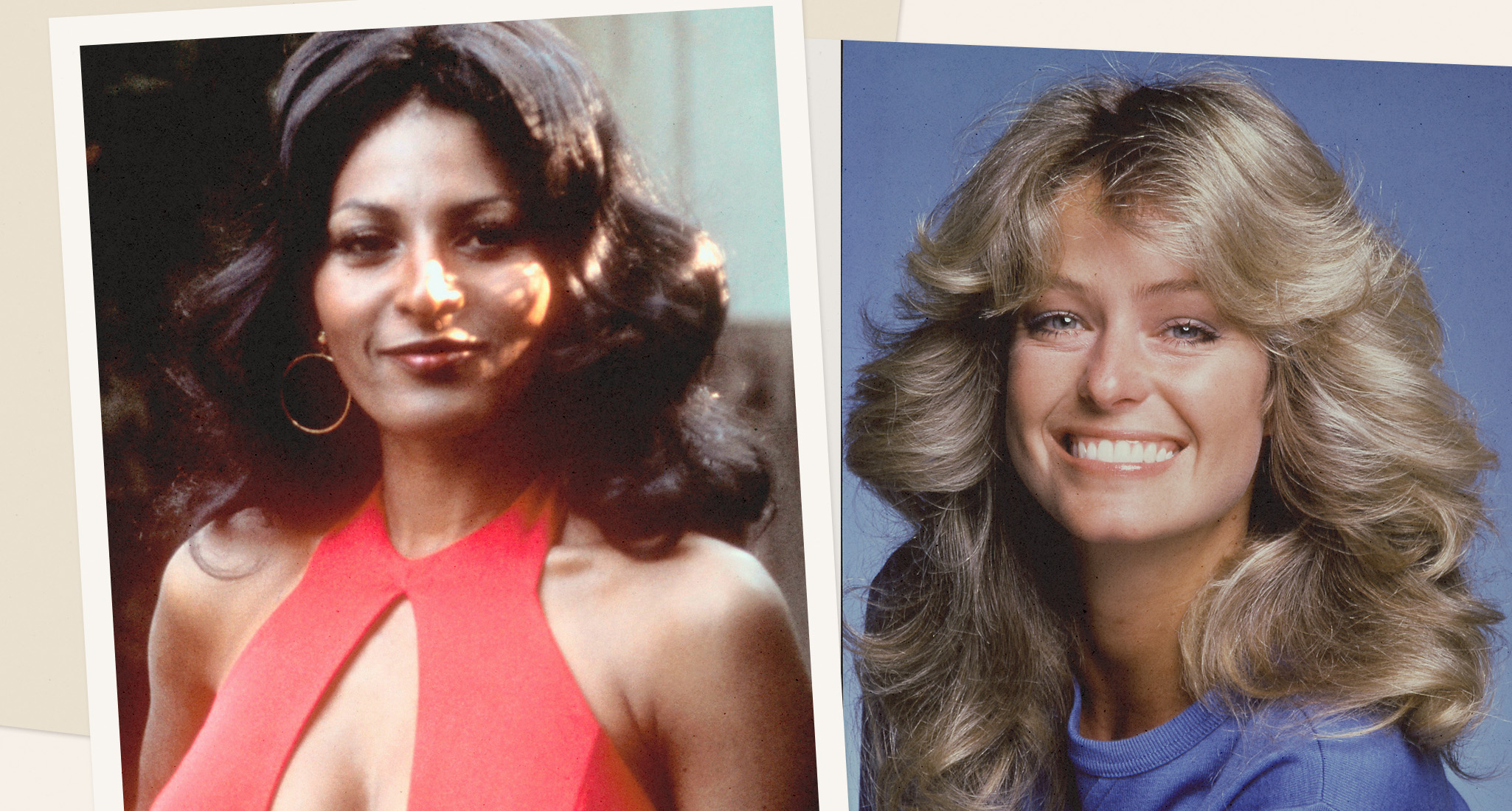
70s hair is trending: Pam Grier, Farrah Fawcett
Pam Grier, Farrah Fawcett (Aip/Kobal/Shutterstock)

My mother used to joke that she and her friends were responsible for the hole in the ozone layer because of how much hairspray they used in the 1970s. Having flipped through her high school year book (class of ‘79!), I'm inclined to believe her. The era was marked by major volume and Farrah Fawcett flips, disco curls and afros, many of them, of course, held in place by a cloud of aerosol. Scroll TikTok today and you’ll see those same iconic ‘70s hairstyles back in rotation. 

The ‘dos can indeed be recreated. However, as a viral post on the social media platform X (formerly Twitter) recently pointed out, hair itself just isn’t what it used to be. Alongside a photo of Cybill Shepherd in the 1976 film Taxi Driver, writer Jaimee Marshall posed the question, “why did women in the ‘70s have a completely different hair texture even though they seemingly did a lot of the same hairstyles?”
It’s true. Hair seemed lighter, airier and more feathery. But given the techniques used back then (not to mention all. that. aerosol.), it was probably a lot less healthy. So before we romanticize the texture, it’s worth asking whether it was ever the goal, or just the byproduct of damage. I tapped a few experts to find out. 

Meet the Experts

  • Bridget Brager is a Los Angeles-based hairstylist and Moroccanoil ambassador who has worked with celebrities like Kate Bosworth, Diane Kruger, Priyanka Chopra, Gwyneth Paltrow and Chris Pratt. Her work has appeared in ELLE, Teen Vogue, Glamour, Vanity Fair, InStyle, GQ and Marie Claire. 
  • Mark DeBolt and Ryan Trygstad are cofounders of New York City’s Mark Ryan Salon, both boasting decades of experience in coloring and hairstyling. DeBolt is an ambassador, educator and hair color expert for Wella Professionals, as well as the trusted colorist of celebrities such as Naomi Watts, Rebecca Taylor and Vanessa Ferlito. Trygstad has a devoted celebrity clientele which includes Laura Dern, Emma Roberts, Penn Badgley and Kelly Ripa, and has been featured in Harper’s Bazaar, InStyle, Vanity Fair and Vogue.
  • Tierra Milton is the founder of She & Her Hair Studio, a full-service salon and hair studio in Staten Island, New York. She is a licensed cosmetologist and certified trichologist, blending artistry with advanced hair-science knowledge. She specializes in scalp health, natural hair care, precision styling and flawless weave and wig installations—all with a focus on protecting the long-term integrity of her clients’ hair.
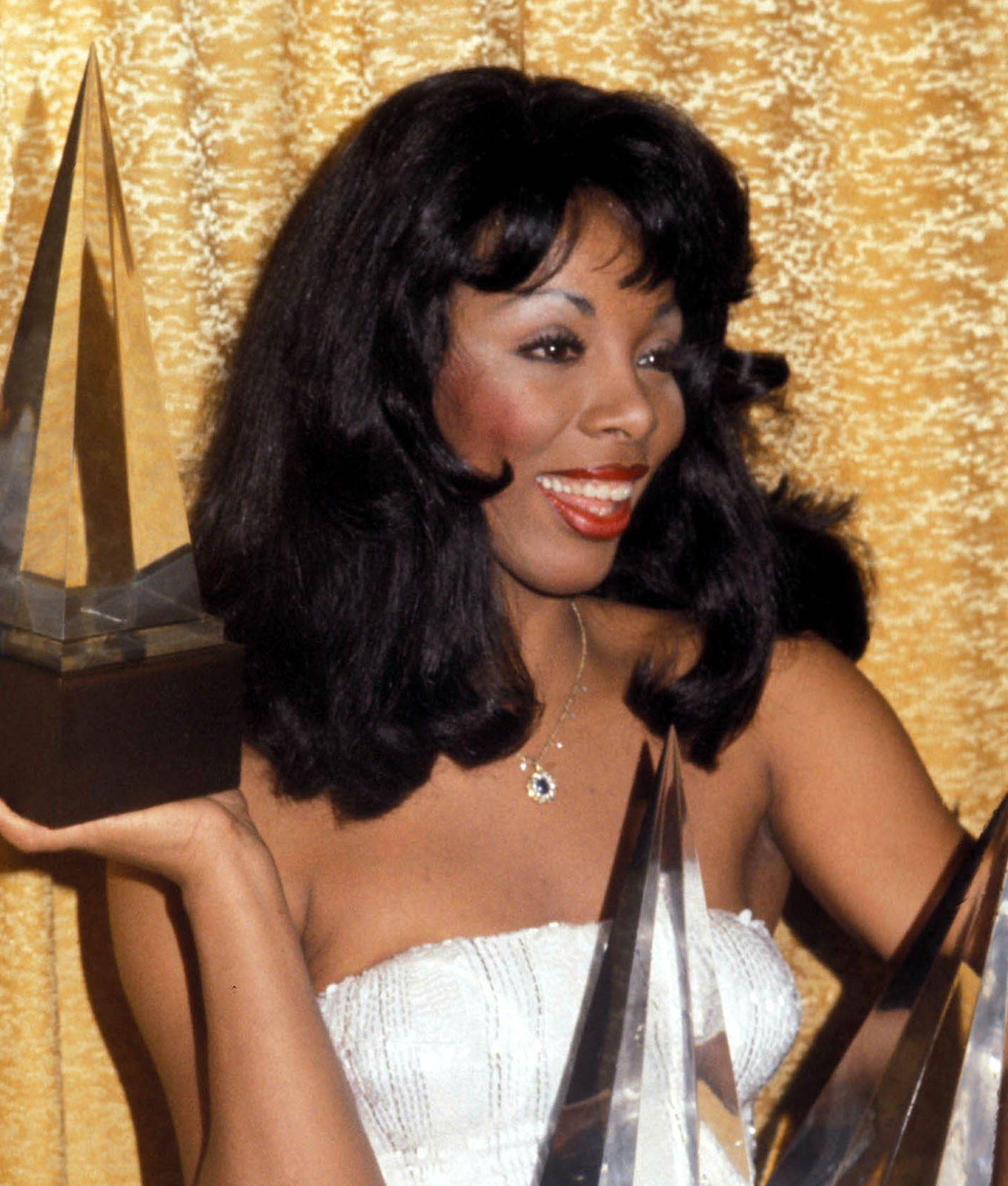
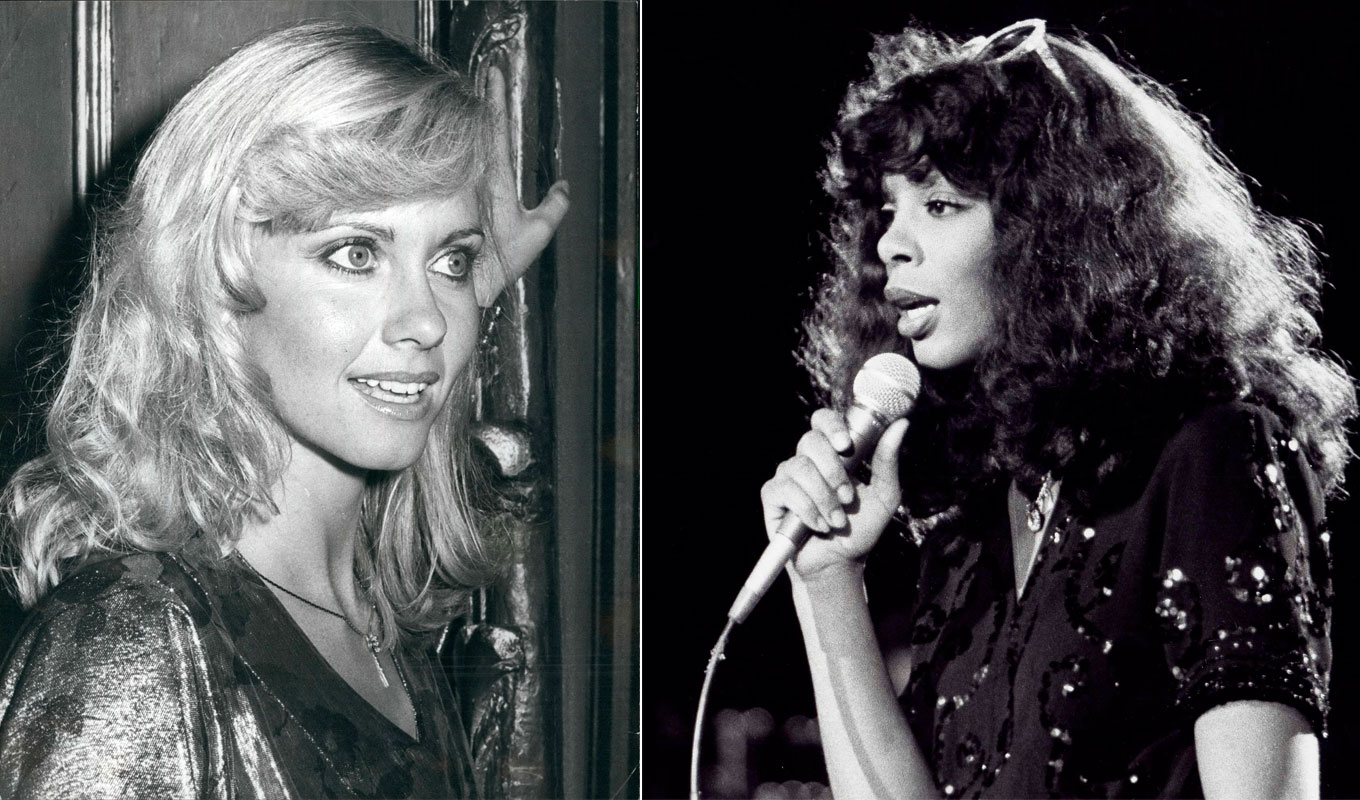
Olivia Newton John, Donna Summer
Olivia Newton-John, Donna Summer (SMP/Globe Photos/ZUMA Press Wire/Shutterstock)

“The ‘70s were all about bigger, fluffier, more fixed styles,” says Brager. But “even the silky, effortless-looking hair from that era was usually created with far more force than we’d use today. [They were using] higher heat, heavier products and more mechanical manipulation (high heat, backcombing, products that had a high alcohol content) to lock the shape in place.” DeBolt confirms that these methods, along with perms and alcohol-heavy hairsprays “could be pretty rough on the hair over time.”

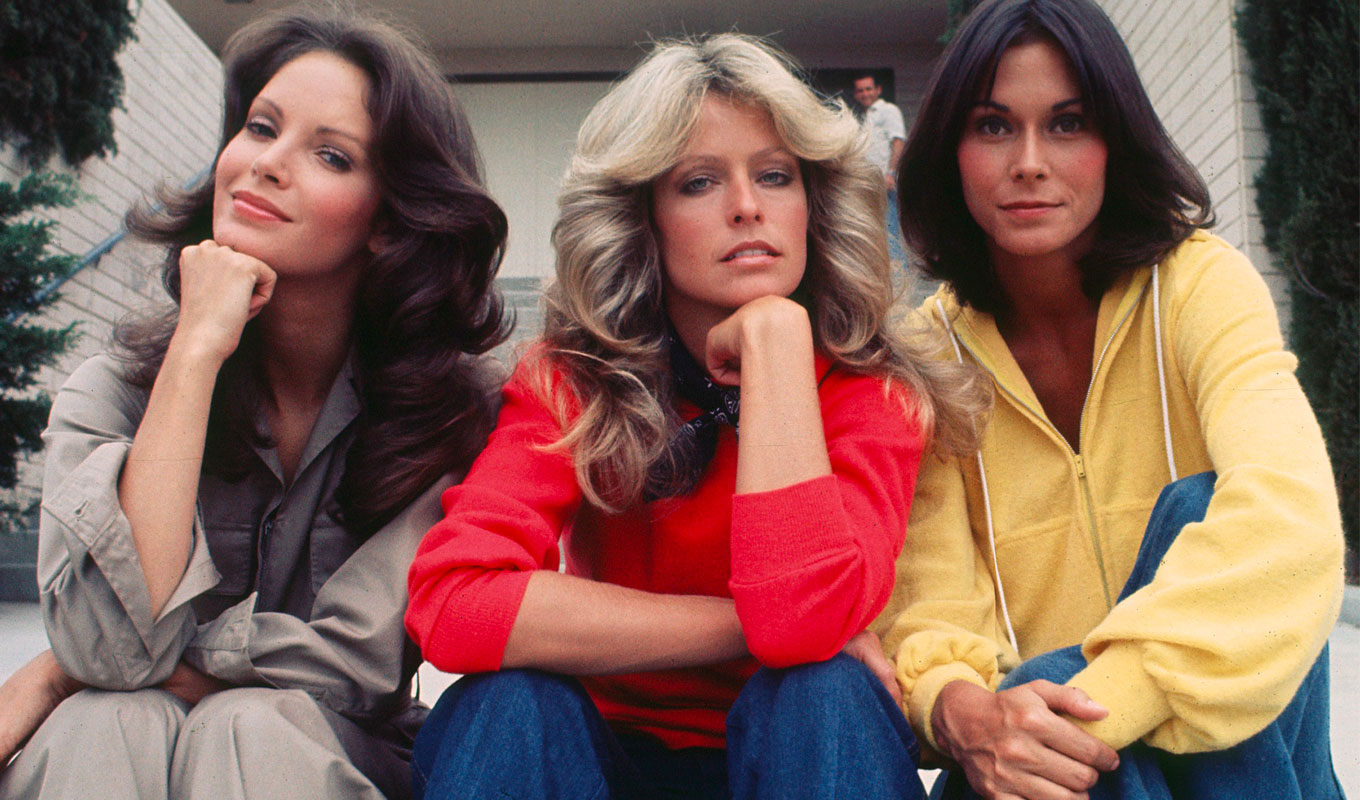
As Brager continues, “There were several common techniques in the ‘70s that most hairstylists would avoid today. The biggest were stove-heated curling irons and pressing combs. Heat wasn’t regulated, and heat protectants didn’t exist, so hair was often overheated and damaged. Another major issue was daily teasing combined with heavy hairspray (like Aqua Net). Teasing in the wrong direction causes breakage, and the high alcohol sprays used at the time dried hair out, making it dull, brittle and prone to snapping.” 

70s hair is trending: Charlie's Angels, Jaclyn Smith, Farrah Fawcett, Kate Jackson
Jaclyn Smith, Farrah Fawcett, Kate Jackson (THA/Shutterstock)

And if a ‘70s gal went for the straight-hair Cher look? DeBolt notes, “They used ironing boards and irons to flatten and smooth their hair, which could not have been good. Ryan’s aunts used to iron their hair on an ironing board—ouch!” 

Thankfully, our knowledge of haircare seems to have come a long way since the original Charlie’s Angels aired on TV, which may be a major reason why strands today don’t look quite the same—and why you probably wouldn’t want them to. 

However, not every retro hairstyling technique is a red flag.  As Milton explains, wet sets—which involve setting damp and/or lotioned hair in curlers—were as popular back in the day as they are now, especially among Black women. “We still use this technique...when it comes to achieving certain hairstyles that can last longer,” she says. It’s a great way to build volume without harsh heat.

70s hair donna summer
Donna Summer (Ralph Dominguez/MediaPunch/Shutterstock)

Brager and DeBolt second the idea of using some good ol’ fashioned curlers—either heatless or on a cool setting—for reviving ‘70s styles without the damage. “Velcro rollers, a good round brush and smart layering go a long way without having to beat the hair up by backcombing and teasing,” DeBolt tells me. “Movement was key to the look then, soft and wearable. For the fluffy look, the heatless curler setting look works great.”

If you are using a hot tool to get those Fawcett flips, both stylists emphasize heat protectant. “I don’t start a blowout or styling appointment without a heat protectant, because protection is non-negotiable,” says Brager. “On damp hair, I use Moroccanoil Treatment Original from mid-shaft to ends, which provides protection up to 450 degrees Fahrenheit while adding slip and control. If the hair is already dry, I apply a heat protection spray before each pass with a hot tool.” Milton also stresses keeping strands moisturized and hydrated before attempting any big ‘70s blowouts, since that helps hair hold a style longer while requiring less product. 

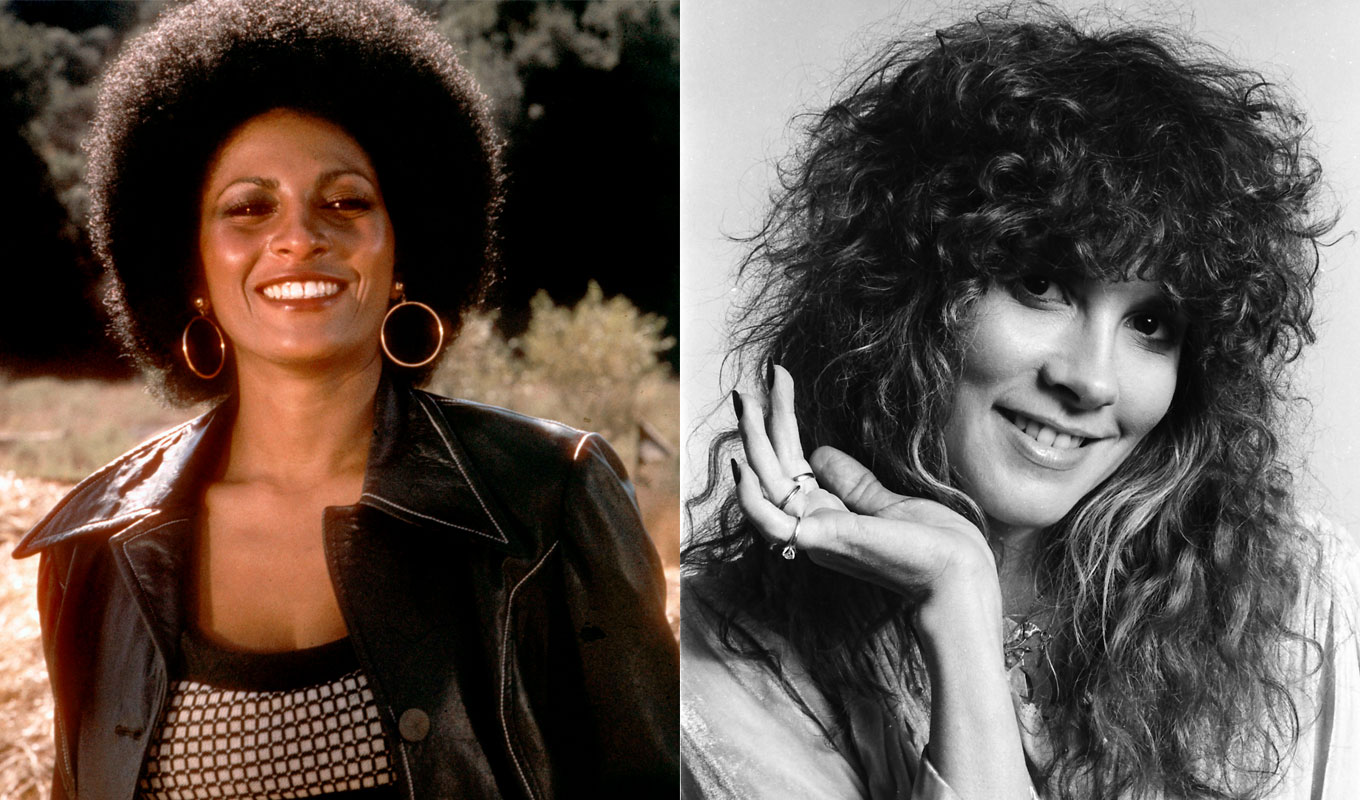
pam grier stevie nicks
Pam Grier, Stevie Nicks (Aip/Kobal/Pat Johnson/Shutterstock)

But if you’re committed to the throwback style, Milton reminds us it ultimately comes down to the cut. “In regards to the afro, it was just a matter of making sure you had a really good haircut or shape [to pick out],” she says. “[And] ultimately, the key thing with Farrah Fawcett was that her hair was layered. It was all about harmony and rhythm, where you want the hair to lay.” The same applies to Stevie Nicks shags and curtain bangs

Searches for “hair in the ‘70s” are up 40 percent this year, according to Google. So if you’re tempted to revisit the era, focus less on recreating the texture and more on modern technique. You can get the movement, the volume, even the drama—just skip the damage.


stephanie maida

Senior Commerce Editor

  • Oversees PureWow's coverage of sales and deals, celebrity commerce and new launches across categories
  • Has worked as a writer and editor for 10+ years
  • Studied journalism at New York University

Why You Should Trust Us

PureWow's editors and writers have spent more than a decade shopping online, digging through sales and putting our home goods, beauty finds, wellness picks and more through the wringer—all to help you determine which are actually worth your hard-earned cash. From our PureWow100 series (where we rank items on a 100-point scale) to our painstakingly curated lists of fashion, beauty, cooking, home and family picks, you can trust that our recommendations have been thoroughly vetted for function, aesthetics and innovation. Whether you're looking for travel-size hair dryers you can take on-the-go or women’s walking shoes that won’t hurt your feet, we’ve got you covered.