I Learned Black Is Beautiful Before I Had the Words

Black beauty is a testament to creativity and the power of defining ourselves without permission

how-black-mothers-pass-down-beauty
Paula Boudes for PureWow

I loved magazines as a kid. I loved the weight of them in my hands, the slick pages, the perfume ads you could peel back and rub on your wrist like contraband. I studied faces and outfits and I’d decorate my wall with cutout pictures of T.L.C and Britney Spears. Magazines taught me about trends and how to dream. But Black beauty, the kind that actually rooted me, the kind that taught me who I already was, I didn’t learn from glossy pages. I learned from watching my mother and sitting on a low stool between her knees, trying very hard not to move.

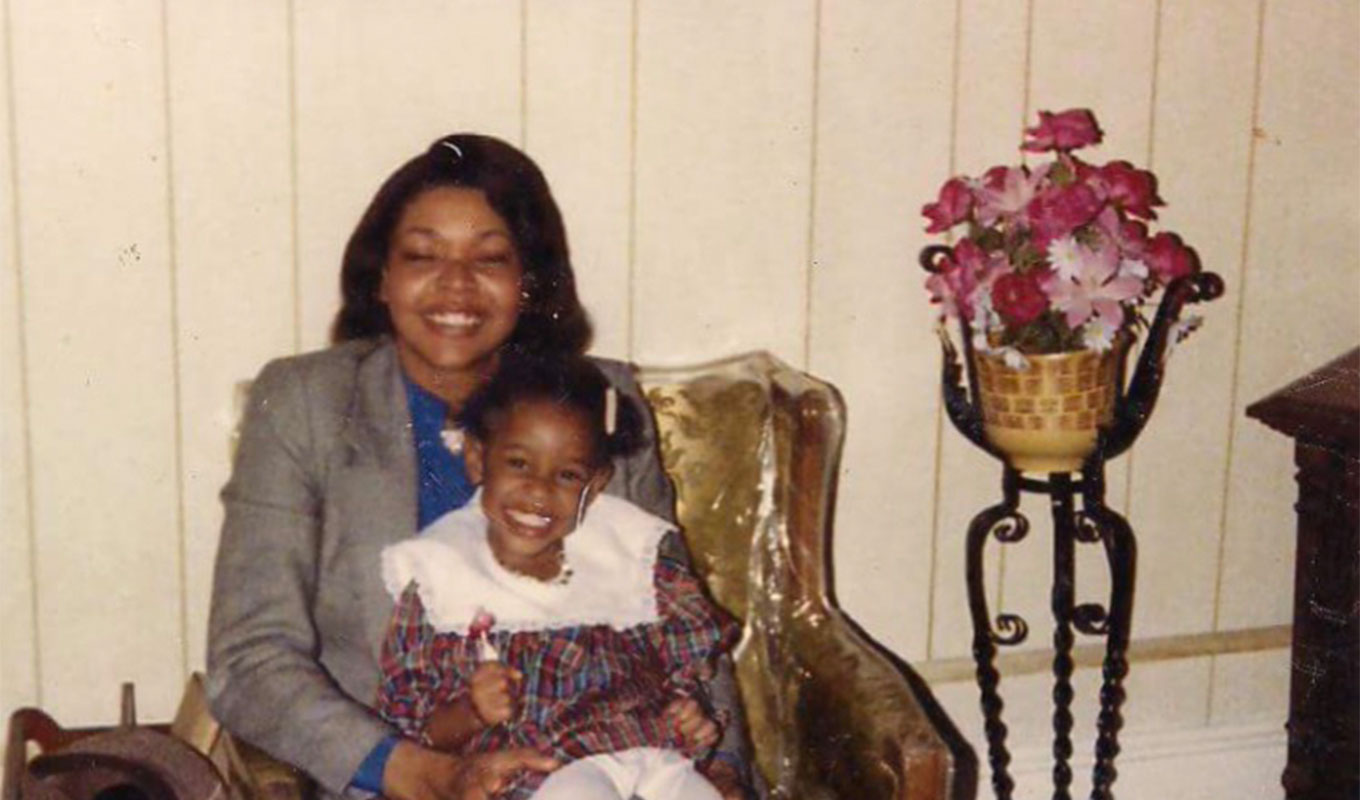
Growing up, our kitchen always smelled like breakfast and hot metal, and the hot comb sat on the stove as if it had a permanent place there. Because when you have tight curls, nothing straightens your hair like the heat from a comb heated from a stove. Before it ever came near my head, my mother pressed it against a paper towel. The hiss and the faint brown scorch mark told her it was ready. Getting your hair straightened meant something important was happening: a church performance, picture day, a family party where an aunt would pinch my cheek and loudly announce that I was getting so tall. My mother never rushed my hair. She parted my hair slowly, blew gently on my scalp before each pass and warned me when the heat was coming. “Hold still,” she’d say. She'd been straightening hair for years with the same technique her mother taught her.

how-black-mothers-pass-down-beauty.
Original Photo from Deena Campbell

At night, beauty routines continued. Headscarves were folded and refolded, silk worn thin at the edges from years of tying and untying. Cocoa butter lived on the dresser, its lid permanently slick, its smell warm and familiar in a way that still stops me in my tracks. She rubbed it into my knees and elbows, reminding me not to skip the places everyone else seemed to forget. Red lipstick stood upright in her bag, uncapped only when she meant business, and when she wore it, she stood a little firmer, a little more rooted, as if reminding herself (and the room) that she was a beautiful Black woman who did not need permission to take up space.

As I grew older, my mother eventually taught me how to apply makeup and how to style my hair, but those were techniques, not the real lesson. The way she carried herself spoke louder. She told me my real beauty was the way I move through the world when I’m not trying to be anything other than myself—when I’m not shrinking, correcting or explaining my presence. She taught me to be a proud Black woman, not in words alone, but in posture, ritual and care. Now, decades later, I’m the one being watched.

quotation mark

As I grew older, my mother eventually taught me how to apply makeup and how to style my hair, but those were techniques, not the real lesson.

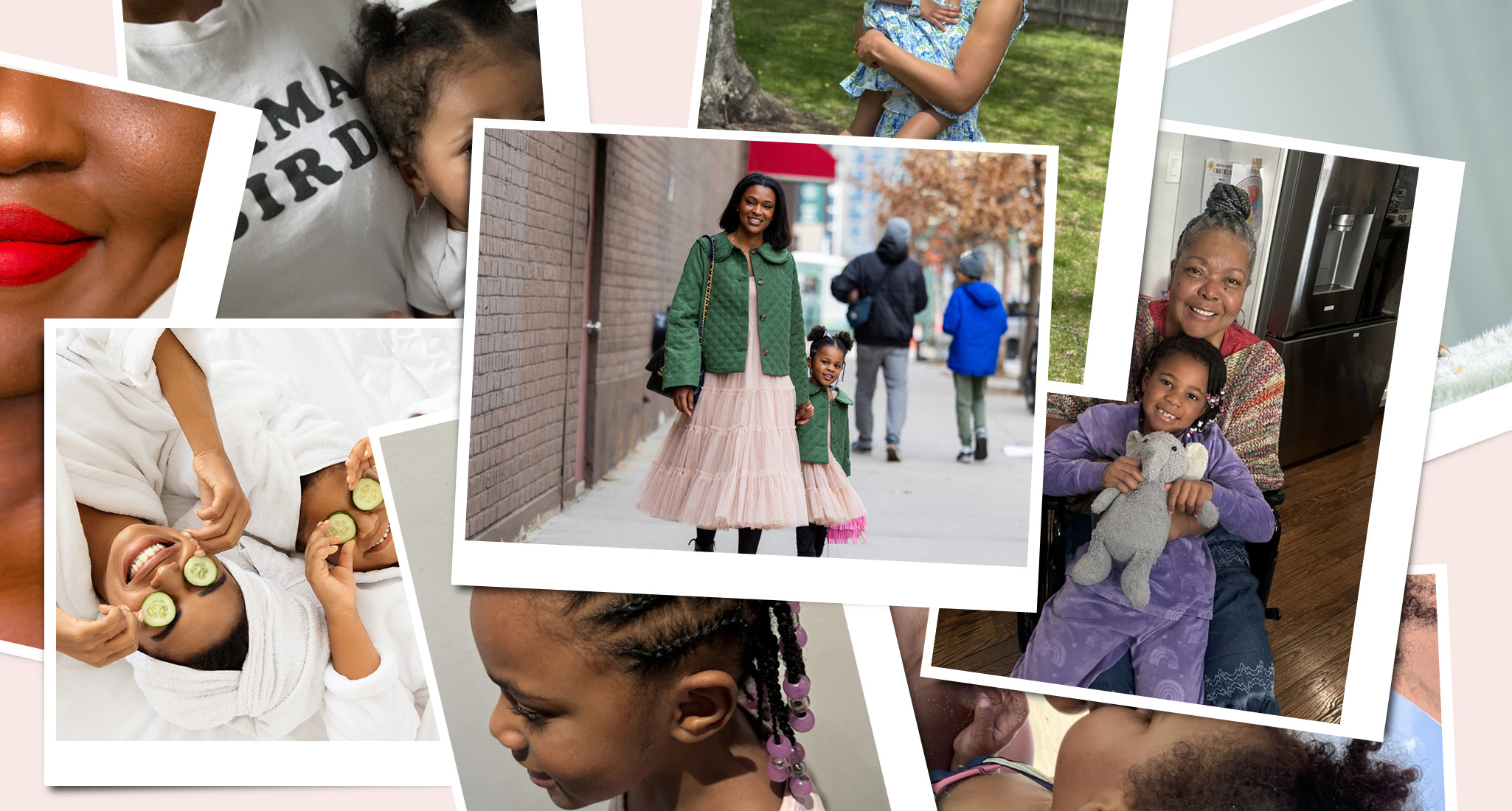
My daughter is six, all limbs and filled to the brim with questions that arrive every second of the day. She notices everything, like when I wrap my hair at night and when I don’t, why my skin feels so soft, how long it takes me to get ready. She wants her own lotions and insists on applying them to her dolls, leaving fingerprints in jars I’ve learned not to correct. These days, when I part her hair, she tilts her head slightly, trusting me in a way that's so sweet and deeply familiar. 

And just like my mother taught me how to care for myself, I’m teaching my daughter the same way through practice. I’m careful with my hands and even more careful with my words. I straighten her hair sometimes, not because it needs changing, but because she’s curious, and because I want her to understand that her appearance is hers to explore, not something that needs fixing. Above everything else, I want her to be confident in herself, to know that her Blackness is not a trend, not a phase and definitely not a problem to solve.

Her generation won’t discover magazines the way I did, but I’m certain she’ll study images on whatever social platform captures her middle school years. What I want her to know is that beauty doesn’t begin outside of her. The way she takes care of herself matters, but what matters more is that she is proud of who she is, exactly as she is.

Sometimes, when I’m braiding her hair, I catch our reflection and I feel my mother there. Her hands, and the hands before hers. Women who taught what it means to be beautiful by tending carefully to each coil and strand, and by knowing unapologetically that Black is beautiful.


Deena Headshot

Fashion and Beauty Director-at-Large

  • Oversees fashion and beauty content. 
  • Former Beauty Director at Marie Claire; editorial lead at Allure, Essence, and L’Oréal-owned beauty platforms
  • Advocate for inclusive storytelling in style, beauty, and wellness