We Don’t Know What Aging Looks Like Anymore

Who decided what 60 looks like?

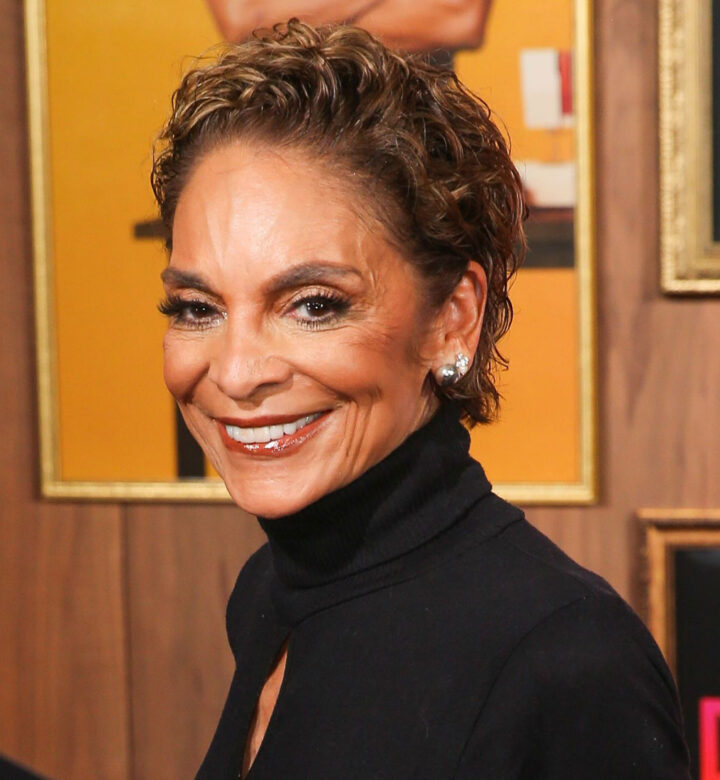
what aging looks like: jasmine guy on the red carpet
Jamie Lamor Thompson/Shutterstock

Last week, two women in their 60s and 70s made headlines for their faces. Vera Wang, aged 77, posted a makeup-free selfie from bed while home sick. The photos quickly became a story because Wang looked, as she so often does, remarkably youthful. Around the same time, Jasmine Guy was having a very different experience. The 64-year-old actress had returned as Whitley Gilbert in A Different World, nearly four decades after she first played the character. Instead of simply celebrating her return, parts of the internet began dissecting her appearance. Guy eventually responded to what she described as “brutal” commentary about how she had aged.

These women received two different reactions. And yet, I think they’re part of the exact same story. We don’t know what aging looks like anymore. To be clear, I don’t mean that in the judgmental, everyone-has-too-much-filler way. I’m a beauty editor, I like my Botox. What a woman chooses to do with her face is her business. But I think we’ve reached a strange cultural moment where the faces we see most often are making it increasingly difficult to recognize what 50, 60 or 70 actually looks like.

Think about the older women who dominate pop culture right now. They often have access to the best dermatologists, cosmetic surgeons, aestheticians, trainers, hairstylists and makeup artists money can buy. Then we see them professionally lit, professionally made up, photographed from flattering angles and even viewed through a screen where filters and editing have become so commonplace we don’t always realize we’re looking at them. And those faces become our reference points.


To some degree, we’ve started calling celebrities ageless as a compliment without considering what the word actually implies. Wang herself has spoken about how strange it is that her appearance has become such a large part of the public conversation around her. In a previous interview, she said she was flattered people thought she’d aged well, but that it had never been her goal. She worried that the fixation could overshadow her work.

Meanwhile, Jasmine Guy is 64 years old. She was 25 when A Different World premiered in 1987. Nearly 40 years have passed. Of course she doesn’t look like Whitley Gilbert anymore. Why would she? And yet, her appearance became a conversation. Her male co-stars also returned older with gray hair and older faces. However, much of the scrutiny centered on Guy.

Why are we so obsessed with aging and terrified of looking aged? Women are praised for looking younger than their age. A 60-year-old who looks 45 is inspiring; a 70-year-old who looks 50 will quite literally break the internet. And when someone looks like a woman who has lived for six or seven decades, we want to know what happened. Nothing happened. She just aged!

quotation mark

Compliments can become expectations when we repeatedly celebrate Black women for appearing younger than they are. What happens to the Black woman who simply looks her age?

Social media makes the distortion even harder to recognize because it collapses fantasy and reality into the same feed. One swipe gives you a 62-year-old celebrity with a glam team and access to every treatment imaginable. The next gives you a filtered influencer. The next is an ad for a serum promising to reverse aging. So by the time you see a completely normal 64-year-old face, it registers as unusual.

And Black women encounter another layer of this. “Black don’t crack” is generally intended as a compliment. But compliments can become expectations when we repeatedly celebrate Black women for appearing younger than they are. What happens to the Black woman who simply looks her age? Guy’s recent experience demonstrates how quickly the expectation of agelessness can become another standard women are punished for failing to meet.

At a certain point, what exactly are women supposed to do? I don’t think the answer is that women need to age more naturally or stop getting injectables. That still puts the responsibility on women to fix a problem they didn’t create. I think society should recalibrate. We need to expand our visual vocabulary of aging—to see more 60- and 70-year-old faces in all their variations until wrinkles, hollows, gray hair and changing features stop registering as evidence that someone has aged badly and start registering as what they actually are.

I Learned Black Is Beautiful Before I Had the Words


Deena Headshot

Deena Campbell

Fashion and Beauty Director-at-Large

  • Oversees fashion and beauty content. 
  • Former Beauty Director at Marie Claire; editorial lead at Allure, Essence, and L’Oréal-owned beauty platforms
  • Advocate for inclusive storytelling in style, beauty, and wellness