
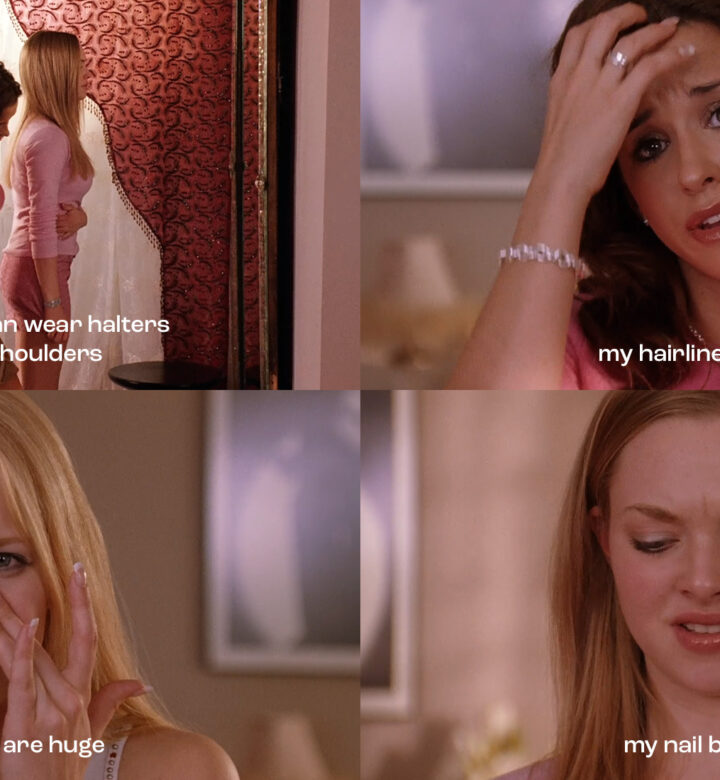
I was in second grade when I first noticed girls criticizing their appearances. It was the 90’s and times were great, but I remember hearing classmates complain that their feet were too long or their hair was too short. We were 7 years old, and most of us hadn’t lost all our baby teeth, but we were already finding things to dislike about our bodies. I didn’t think much of it at the time, I thought it was something girls said to one another.
Decades later, the convo hasn't changed. Now, instead of worrying about the length of their feet, my friends are discussing forehead wrinkles, sagging skin, stubborn belly fat and whether their faces looked better five years ago. A perfectly pleasant dinner can turn into an unsolicited group consultation about everything they hate about themselves. Someone mentions her thighs. Another complains about her neck. Before the appetizers arrive, we’ve collectively identified enough flaws to keep a plastic surgeon booked through the holidays.
Criticizing ourselves has become a socially acceptable way for women to connect. And according to Robin Hamilton, a licensed clinical psychotherapist and owner of Dreams Re-Imagined Mental Health Therapy and Consulting Services, there’s a psychological explanation for that.
“At some point, many women learned that sharing dissatisfaction with their appearance was an acceptable, even expected, way to create connection with other women,” she explains. “I believe that we’ve learned that self-criticism is humility, and that self-appreciation is vanity.” Which is rather depressing when you think about it. We’ve reached a point where announcing that you hate your stomach feels more socially acceptable than admitting you think you look fantastic.

Lately, I’ve been questioning whether offering a solution is always the right response, because what if there isn’t actually a problem?
