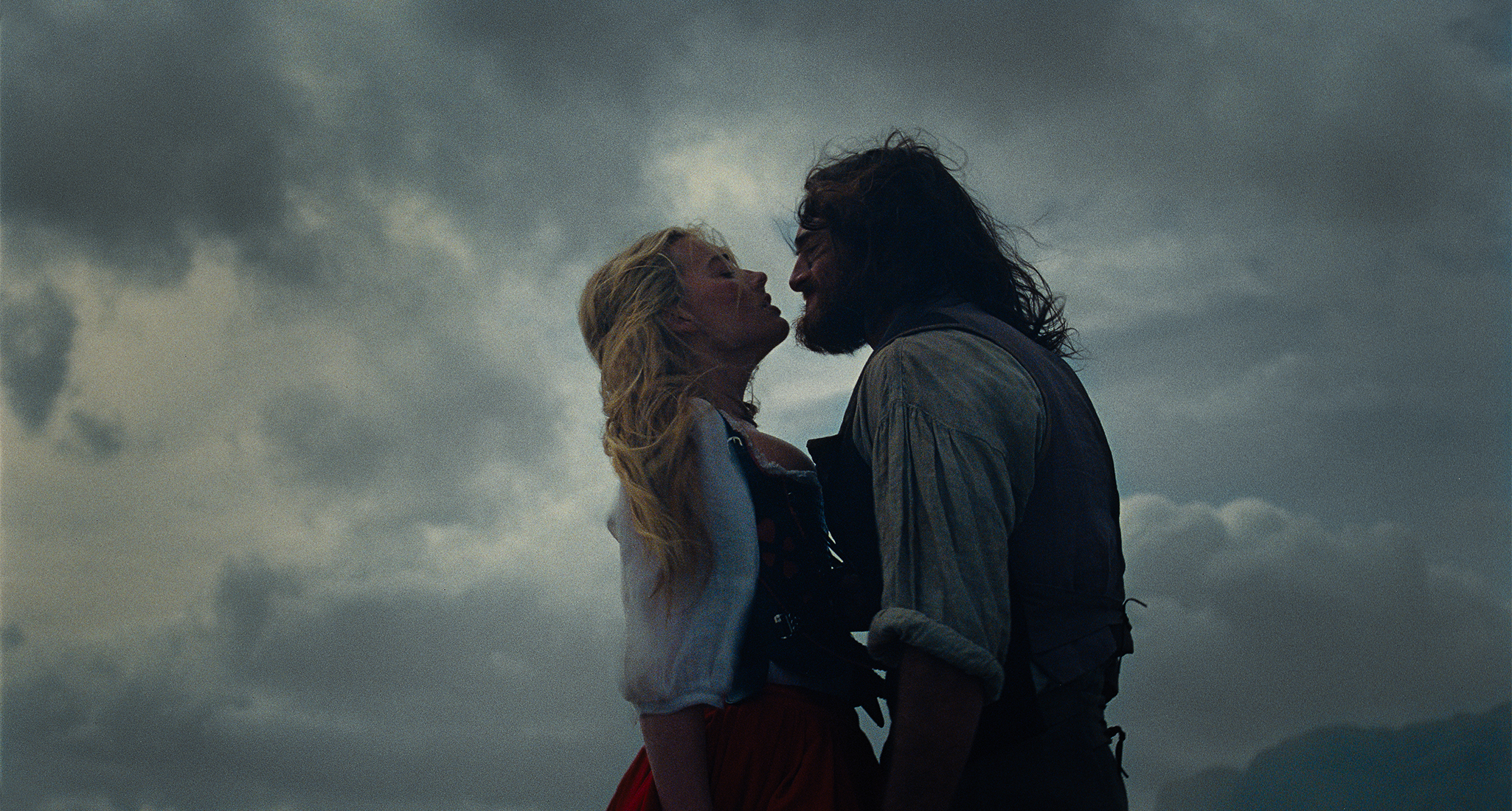
Wuthering Heights is everywhere right now, thanks to Emerald Fennell's highly controversial adaptation starring Margot Robbie and Jacob Elordi. Google Trends reported that search for the novel is at an all-time high. So what's the deal, especially in the highly contentious book-or-movie debate? As the host of a classics book club, I've read Brontë's one and only novel twice. Below, I make my case for why you should read it—and what we've got wrong about "The Greatest Love Story of All Time."
I've Read 'Wuthering Heights' Twice—Here's What Everyone Gets Wrong About 'The Greatest Love Story of All Time'
Haunt me

•
Published Feb 11, 2026
PureWow editors select every item that appears on this page, and some items may be gifted to us. Additionally, PureWow may earn compensation through affiliate links within the story. All prices are accurate upon date of publish. You can learn more about the affiliate process here.
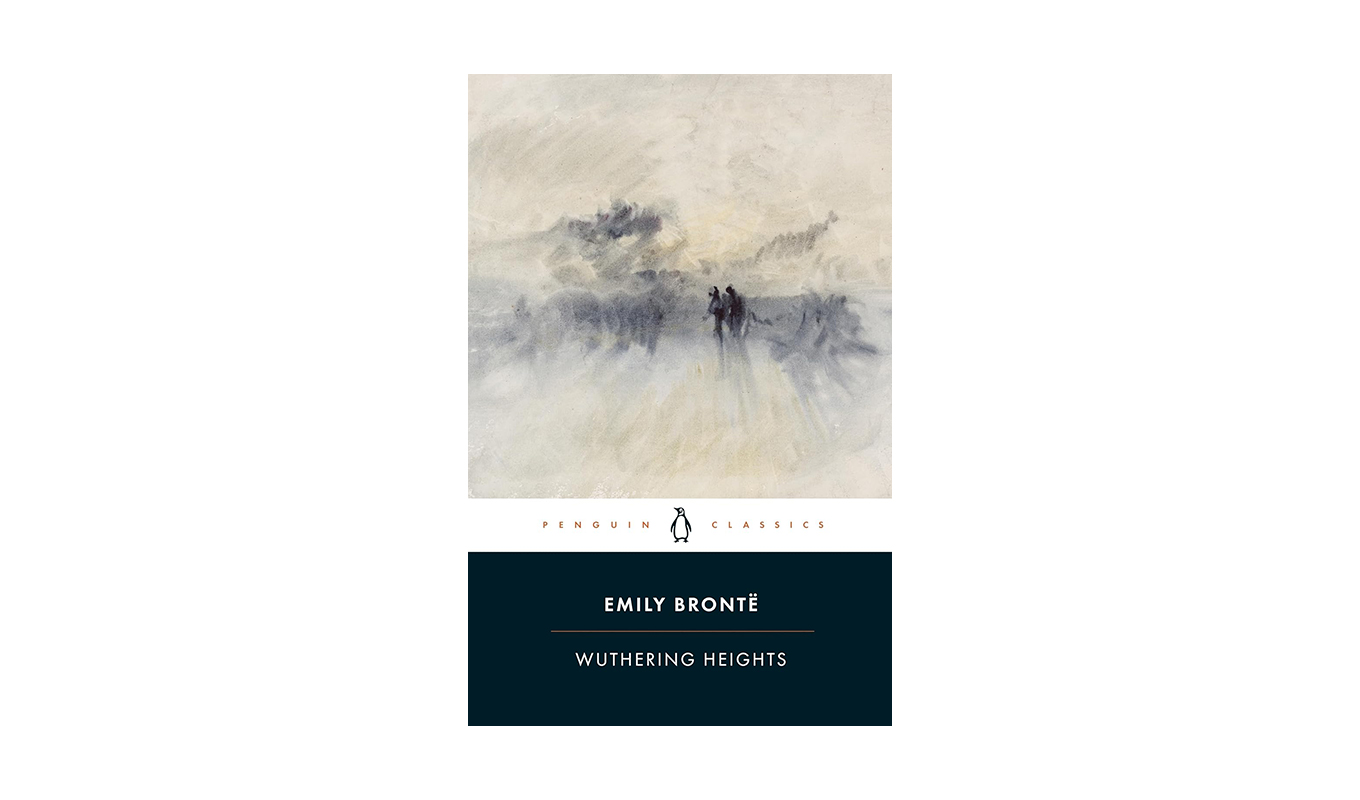
What Is Wuthering Heights About?
Penguin Classics
Brontë's gothic tale of love and tragedy is an intergenerational tale positing two young lovers at its center: Catherine Earnshaw and Heathcliff. The latter is found, presumably an orphan (or even a slave) in Liverpool by Catherine's father, and brought to Wuthering Heights as a child. The pair are raised as adoptive siblings, which evolves into infatuation and love as they grow older.
Wuthering Heights has a lone neighbor in Yorkshire moors, a sumptuous property called Thrushcross Grange. It is the home of the Lintons, who have two children, Edgar and Isabella. Brontë's novel follows these families as they intertwine through marriages, births and deaths, all set in motion because of the love triangle between Catherine, Heathcliff and Edgar. It is ultimately a revenge tale as Heathcliff seeks to destroy the legacies of those he feels wronged him.
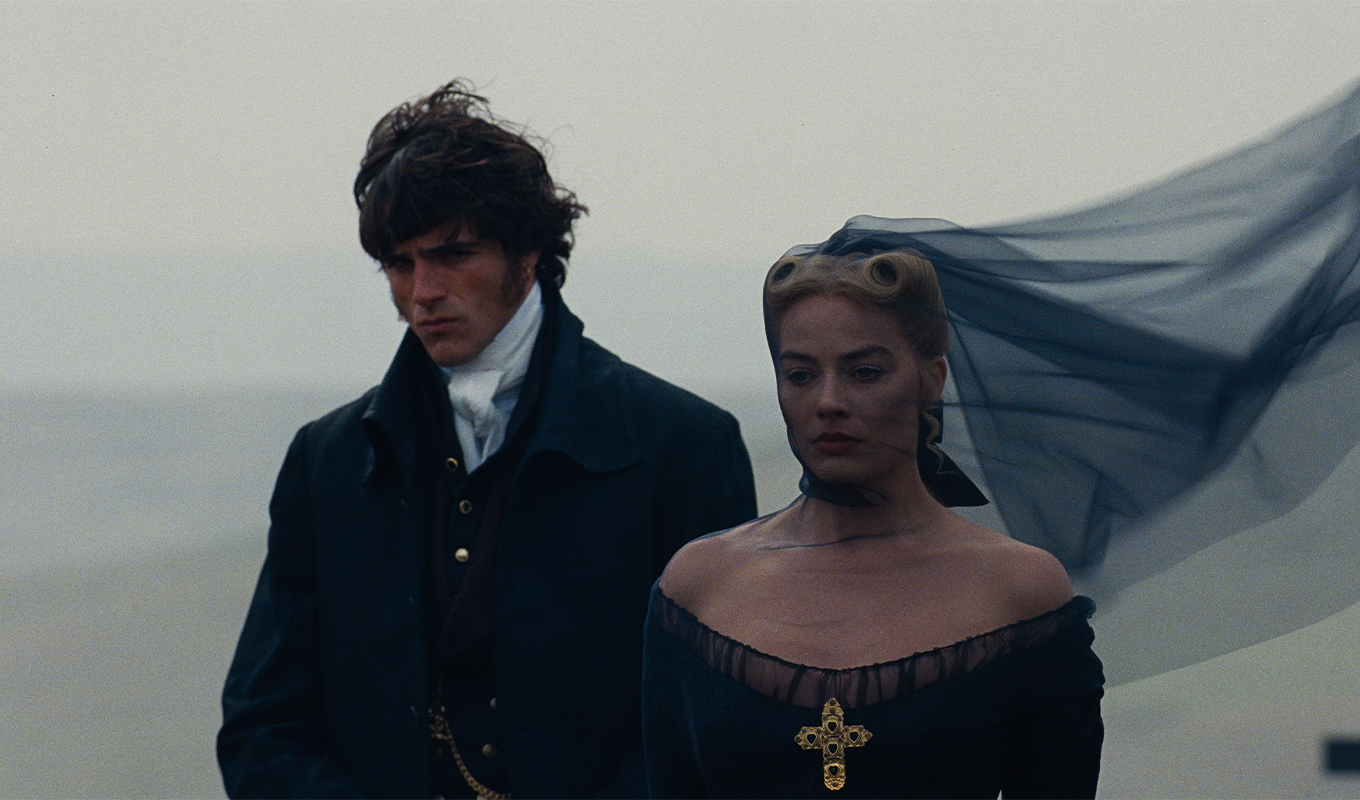
Photo Courtesy Warner Bros. Pictures.
Not a Novel for the Faint of Heart
If you're a fan of period dramas in the vein of Pride and Prejudice and Bridgerton, caution. This is no Jane Austen novel of manners. Not at all. Wuthering Heights is incredibly violent, filled with rage. Even Charlotte Brontë's Jane Eyre has nothing on the passionate sado-masochism that permeates her younger sister's work. There are so many mentions of death, murder, blood and various violent acts that at times the intensity was too much, and I had to stop reading. Two lines in particular that halted me were, "Because misery, and degradation, and death, and nothing that God or satan could inflict would have parted us...would you like to live with your soul in the grave?" and "I would have torn his heart out, and drank his blood!" In short, we're far from tea time at Rosings Park.
Not Just Another Love Story
Wuthering Heights has often been marketed as "the greatest love story of all time." We have the 1939 Laurence Olivier adaptation to thank for the first appellation. Dubbing it so, however, misses the entire mark—erasing the deep and complex dynamics between the characters and the ultimate story arc. Yes, Catherine and Heathcliff are the fateful lovers, but Wuthering Heights is not their story. Wuthering Heights is Heathcliff's story. In centering the narrative around this man, Brontë was an iconoclast. Because, unlike many of the film adaptations, Heathcliff is "dark almost as if it came from the devil," "a dirty, ragged, black-haired child," a "gipsy brat" and "little Lascar, or an American or Spanish castaway." He is racially ambiguous at best, but definitively not Caucausian. Heathcliff himself is also quoted as saying, "I wish I had light hair and a fair skin, and was dressed, and behaved as well, and had a chance of being as rich as he will be!"
For context, the year that Wuthering Heights was published (1847) was just 14 years after England abolished slavery and seven years after British slave owners ceased the practice of retaining former slaves as unpaid "apprentices." The novel's present day is set in 1801-1802; the story of Catherine and Heathcliff said to have taken place 25 years earlier, meaning the bulk of the events would have started around 1776. During this period, Liverpool, the city in which Heathcliff had been found, is still a huge port for the European slave trade.
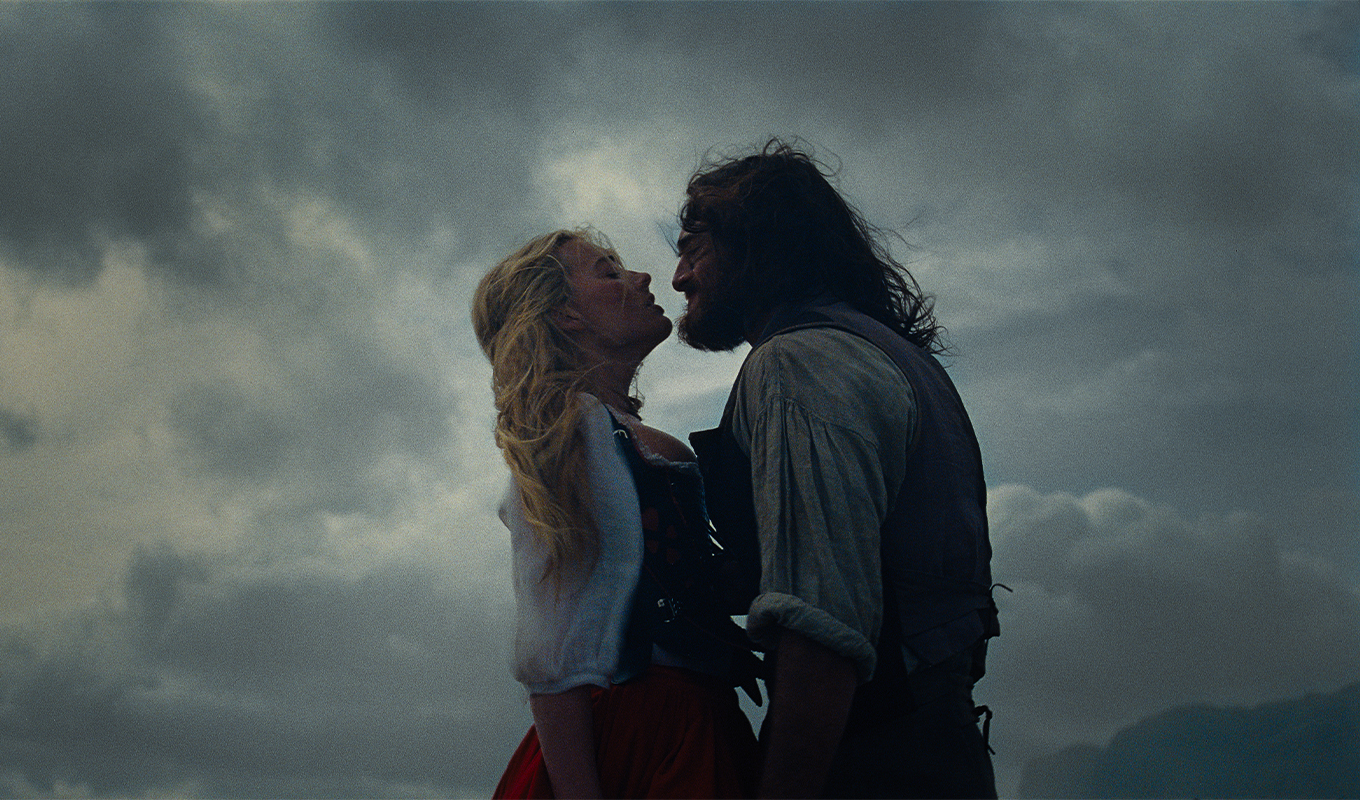
Photo Courtesy Warner Bros. Pictures.
Thus, as the protagonist (or, with the amount of violence he commits, rather the anti-hero), Heathcliff has much to overcome. Dehumanizing treatment from his adopted family, the loss of his lover to a man more privileged and respected than he will ever be, constantly despised and doubted...in a quest for vengeance, Wuthering Heights transforms from a simple story of tortured lovers into a sweeping family saga that looks at the darkest corners of the human soul. Brontë addresses thorny topics like social class, race, feminism and religion in a way that literary scholar John Burton called "transgressive," breaking not just narrative norms, but moral ones as well.
It's easy to get swept up in the impossibly romantic lines—"Whatever our souls are made of, his and mine are the same," and "Be with me always—take any form—drive me mad! Only do not leave me in this abyss, where I cannot find you!"—I certainly did. But underneath is a text brimming with a jagged complexity and mastery that, dare I say, even Jane Austen did not attain.