A Definitive Guide to Barbour Jackets (Because They’re Not All the Same)

Bedale? Beaufort? Beadnell?

PureWow editors select every item that appears on this page, and some items may be gifted to us. Additionally, PureWow may earn compensation through affiliate links within the story. All prices are accurate upon date of publish. You can learn more about the affiliate process here.

guide-to-barbour-jackets
Victoria Parrotta for PureWow/Barbour

There are brands where shopping is fairly self-explanatory. You want a trench coat, you buy the trench coat. You want jeans, you choose your wash. And then there’s Barbour, a brand that will present you with what appears to be the same olive-green waxed jacket 14 times and expect you to understand why one is called the Bedale and another the Beaufort.

Because once you start looking closely at Barbour jackets, the differences are incredibly specific. A Bedale is shorter because it was designed for horseback riding. A Beaufort is longer because it came from the world of shooting jackets. A Spey is cropped because it was originally made for fly fishing. The Beadnell is based on the Bedale but shaped specifically for women.

Barbour has been around since 1894, and many of the jackets people are buying today trace their roots back decades. The Bedale arrived in 1980, the Spey in 1981 and the Beaufort in 1983. Which means you’re shopping a brand whose catalog has accumulated the way a British country house accumulates furniture. So before you buy the first green jacket that looks cute on the model, here’s how to decode Barbour.
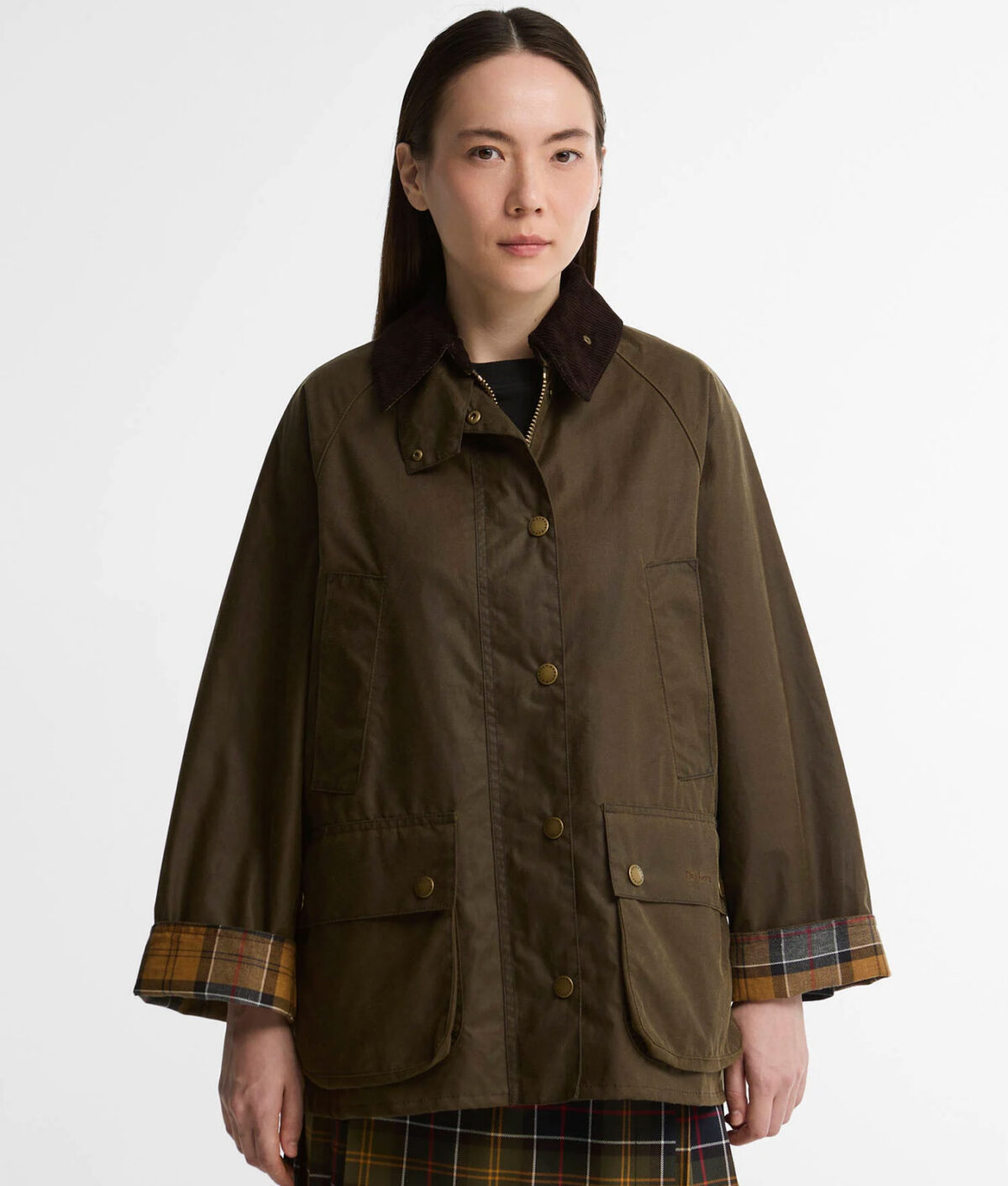
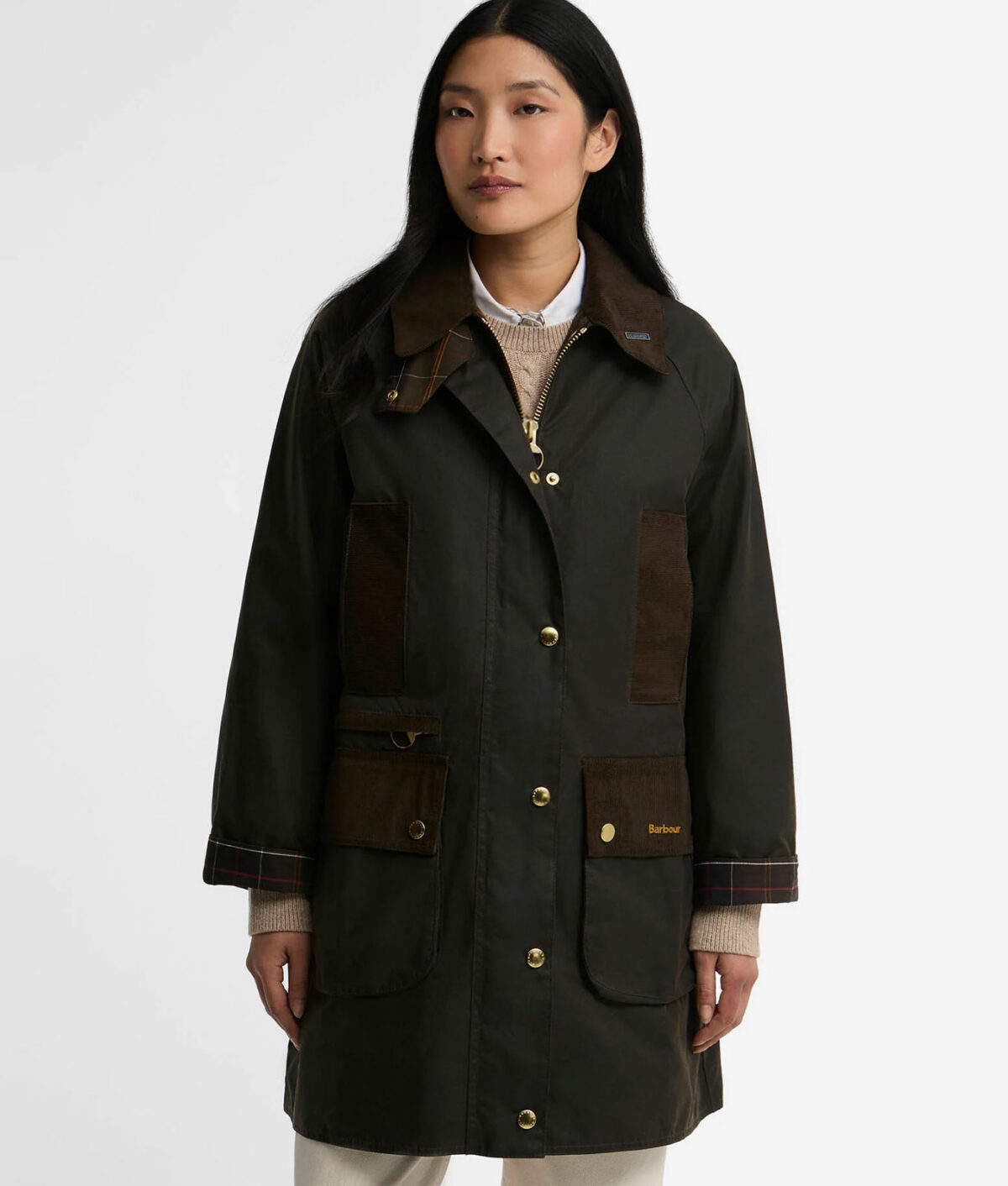
What Is Waxed Cotton?

Because buying a Barbour without understanding waxed cotton is like buying raw denim and then becoming upset when it changes. Waxed cotton is cotton treated with wax to help protect against wet and windy weather. Unlike a modern technical shell, however, the fabric changes with wear. It creases and gets marks, so eventually, it needs to be re-waxed. A broken-in Barbour has the same appeal as worn leather boots or jeans that have faded where your body bends.

How Should a Barbour Fit?

Your Barbour needs to fit perfectly. The older silhouettes were designed around movement and layering, which is why jackets like the Bedale and Beaufort have comparatively relaxed fits. The Beadnell is a bit more shaped, and the Transport goes in the opposite direction and is all about giving volume. If you want something trim, look at the Beadnell or Ashby, and if you want classic and roomy, start with the Bedale.

Is a Barbour Jacket Warm?

This is one of the biggest misconceptions about waxed jackets. A traditional Barbour is primarily outer protection, not a giant insulated winter coat.

Can You Wear a Barbour in the Rain?

Yes, but with reasonable expectations. Waxed cotton is built to resist weather. But if you’re standing in a downpour for two hours, you’re better off reaching for a technical raincoat. For normal rain, wind, drizzly commutes and generally miserable fall weather, that’s where Barbour shines.

What Is Thornproof vs. Sylkoil?

If you pop in a Barbour store, you’ll encounter two names repeatedly: Thornproof and Sylkoil. Both are waxed cotton finishes, but they don’t look or feel exactly the same. Thornproof has a smoother, somewhat more streamlined appearance. Sylkoil is softer and more matte, with a more broken-in quality. Neither is objectively better.

Do You Really Have to Re-Wax a Barbour?

Yes, eventually the wax coating wears down with use, which means the jacket needs periodic reproofing to restore its weather resistance. Barbour jackets are designed to be maintained, but don’t panic over every crease or mark. You wear it, beat it up a little, re-wax it and keep going. Just don’t ever put your waxed jacket in the washing machine.

Are Barbour Jackets Unisex?

Sort of. Barbour sells men’s and women’s styles, but many of the jackets we now think of as Barbour classics were originally designed for men. That includes the Bedale, Beaufort and Border. In practice, though, there’s nothing particularly gendered about them; however, men’s styles tend to be straighter through the body, while women’s versions are generally cut closer to the body. The Beadnell, for example, is Barbour’s more fitted, feminine answer to the Bedale. But if you want that slightly oversized fit, don’t head for the women’s section. A traditional men’s Barbour might give you the silhouette you’re after.

What About Barbour Puffer Jackets?

Barbour also makes a surprisingly large selection of puffers and quilted jackets, ranging from lightweight diamond-quilted layers to seriously warm, longline coats. If you’re deciding between the two, think about what you actually need your coat to do. A classic waxed Barbour is great for wind, drizzle and layering, but it isn’t inherently all that warm. A puffer is the better choice for legitimately cold weather, especially if you want insulation without multiple layers underneath.

Shop the Barbour Icons

1. The Bedale

Barbour

The Bedale debuted in 1980 and was designed by Dame Margaret Barbour specifically for equestrian use. If you asked me to identify the safest starting point in the entire Barbour catalog, I’d say Bedale. The Bedale has the details you probably picture when you think of Barbour: waxed cotton, corduroy collar, tartan, large bellows pockets and hand-warmer pockets. Its equestrian background also explains the shorter body and rear vents. And I would resist the urge to immediately size down until it behaves like a blazer. The slight boxiness is part of what makes it look good over sweaters, sweatshirts and thicker knits.

  • Best for: Anyone buying her first Barbour.
  • Fit: Shorter and relaxed.
  • Wear it with: Straight-leg jeans, a white T-shirt, sweater and loafers. Or leggings, sneakers and a baseball cap.

2. The Beaufort

Barbour

Three years after the Bedale came the Beaufort, inspired by traditional French shooting jackets. The Beaufort is just over eight centimeters longer than the Bedale. It has a giant full-width rear pocket (a remnant of its sporting origins), whereas the Bedale has equestrian rear vents. It also swaps the Bedale’s rear riding vents for an enormous back pocket.

  • Best for: Taller shoppers, longer torsos and anyone who wants more coverage.
  • Fit: Relaxed and longer than the Bedale.
  • Wear it with: Wide-leg trousers, a crewneck sweater and a slim shoe.
  • Avoid: Sizing up purely for an oversized look unless you’ve tried it. There’s already plenty of coat.

3. The Beadnell

Barbour

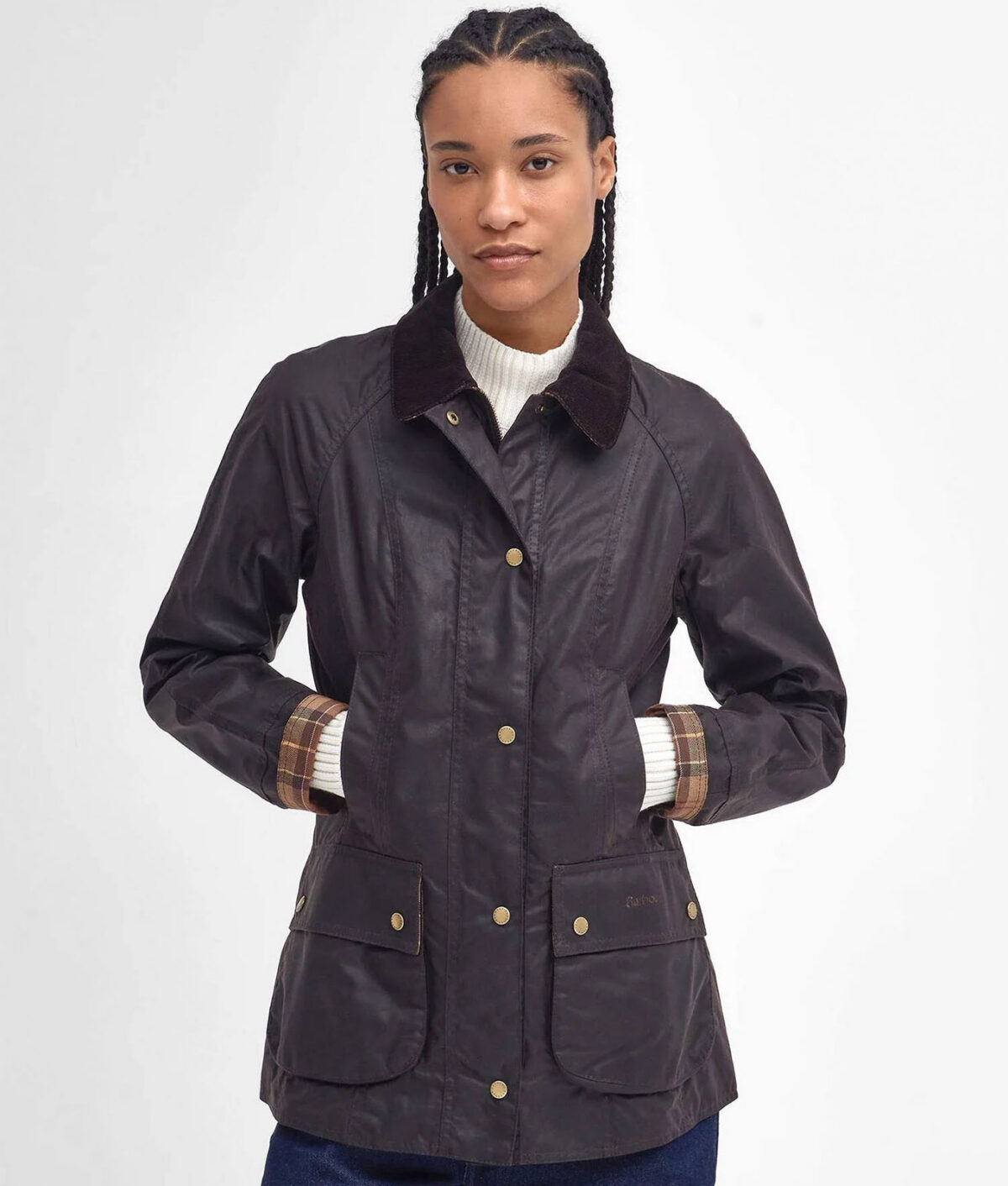
The Beadnell arrived in 2010 and is essentially Barbour’s feminine reinterpretation of the Bedale. It’s named for the Northumbrian fishing village and retains familiar details like the corduroy collar, tartan lining, hand-warmer pockets, bellows pockets and double rear vents. The major change is the silhouette, which is more fitted through the body. 

  • Best for: Someone who wants a traditional Barbour without the menswear proportions.
  • Fit: Shaped and more fitted through the body.
  • Wear it with: Straight jeans, knee-high boots, loafers or slim sneakers.

4. The Spey

Barbour

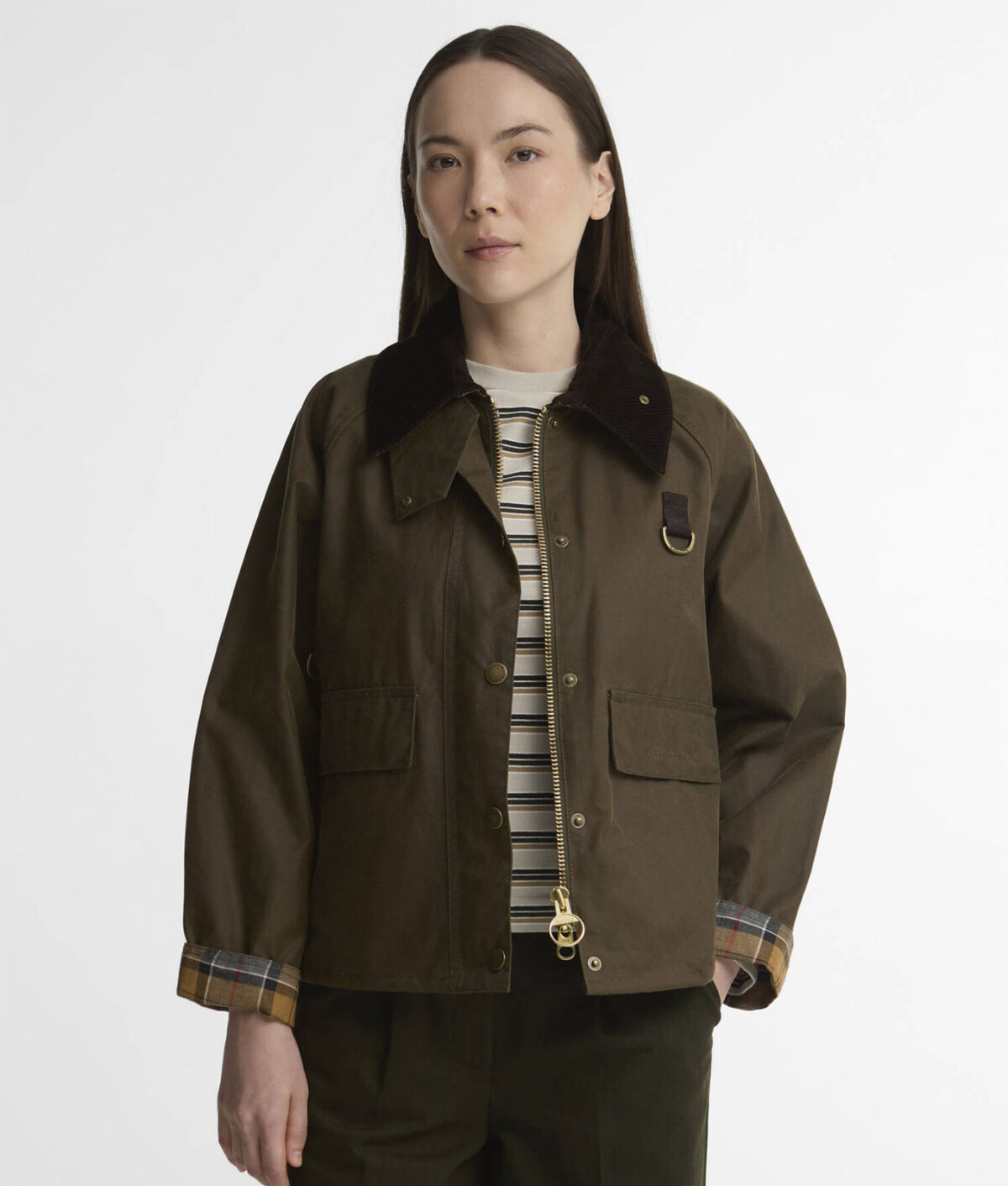
The Spey arrived in 1981 and was originally designed for fly fishing. Its short length made practical sense when the wearer was standing in water, and D-rings on the jacket originally served an actual fishing purpose.

  • Best for: Petite shoppers, high-waisted pants and anyone who already owns enough sensible outerwear.
  • Fit: Cropped.
  • Wear it with: High-rise jeans and a tiny flat.
  • Avoid: Buying it as your only rain jacket if maximum coverage is your goal.

5. The Transport

Barbour

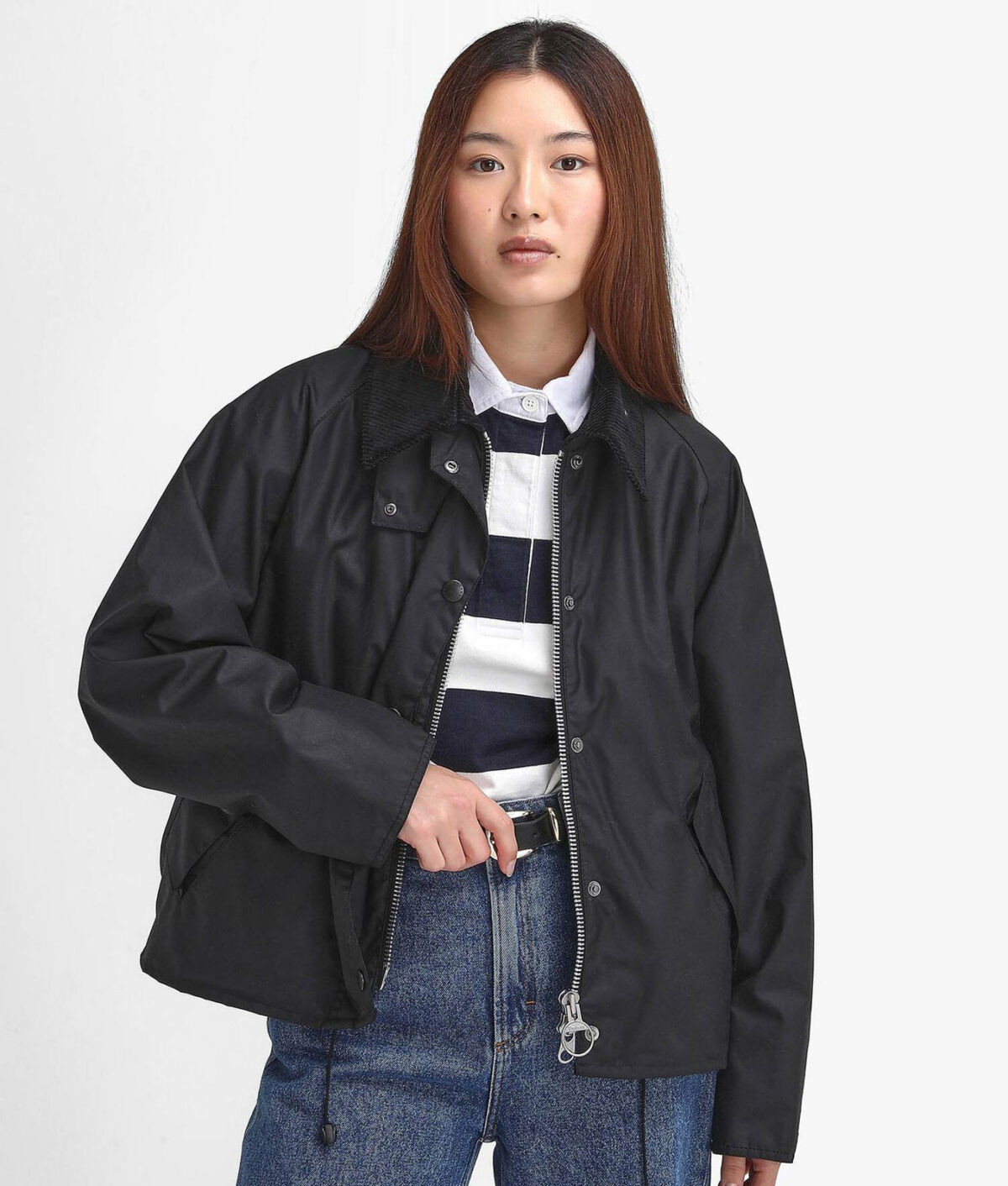
The Transport pulls from Barbour’s Bedale, Beaufort and International jackets but condenses those references into a shorter A-line silhouette. If you have been looking at street-style photos and wondering why someone’s Barbour looks good with barrel jeans, there’s a decent chance you’re responding to this kind of proportion.

  • Best for: People looking for an A-line body.
  • Fit: Short and roomy.
  • Wear it with: Barrel jeans, wide-leg trousers, maxi skirts and ballet flats.
  • Avoid: Sizing up before trying your regular size. The volume is already built in.

Deena Headshot

Deena Campbell

Fashion and Beauty Director-at-Large

  • Oversees fashion and beauty content. 
  • Former Beauty Director at Marie Claire; editorial lead at Allure, Essence, and L’Oréal-owned beauty platforms
  • Advocate for inclusive storytelling in style, beauty, and wellness