
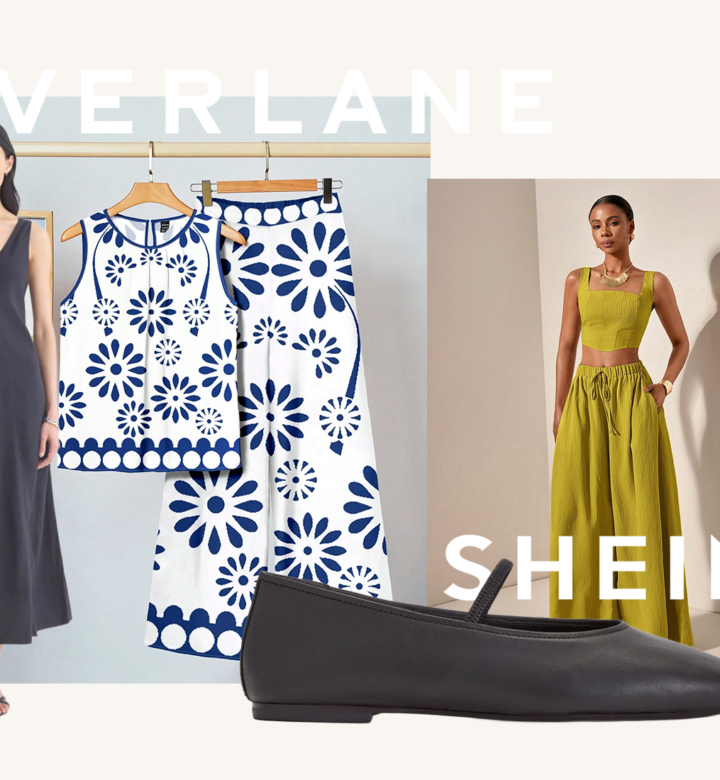
The Shein/Everlane Deal Feels Like the End of an Era for Millennial Fashion

Is this the final collapse of a very specific millennial fantasy?

everlane-shein-deal-
Paula Boudes for PureWow

There was a time when owning an Everlane tote defined who you were before you even opened your mouth. Wearing the tote, or any Everlane garment for that matter, meant you cared about ethical factories. You likely spent $128 on a pair of plain leather flats because boring meant timeless and timeless meant responsible. Back then, Everlane wasn’t really selling clothes as much as it was selling the idea that you could shop your way into being a better person. The brand hit at exactly the right moment too—peak 2010s millennial minimalism, when everyone was tired of fast fashion but still wanted the dopamine hit of buying something new.

Which is why the news that Shein is reportedly acquiring Everlane for $100 million feels bleak. Because if Everlane represented the dream that shopping could actually be ethical, Shein became the reality of what shopping turned into once social media fully took over our brains.

If we think back, the appeal of Everlane was restraint. Buying one good coat and wearing it for years. Meanwhile the internet moved toward hauls, dupes and overnight microtrends. In fact, thanks to TikTok, everyone had six aesthetics at once! Remember, coastal grandmother, mob wifeballetcore, and millennial pink? Nothing was meant to last because the next thing was already loading. And, once Zara, Amazon and eventually Shein could recreate the same vibe for a fraction of the price, the illusion started to crack.
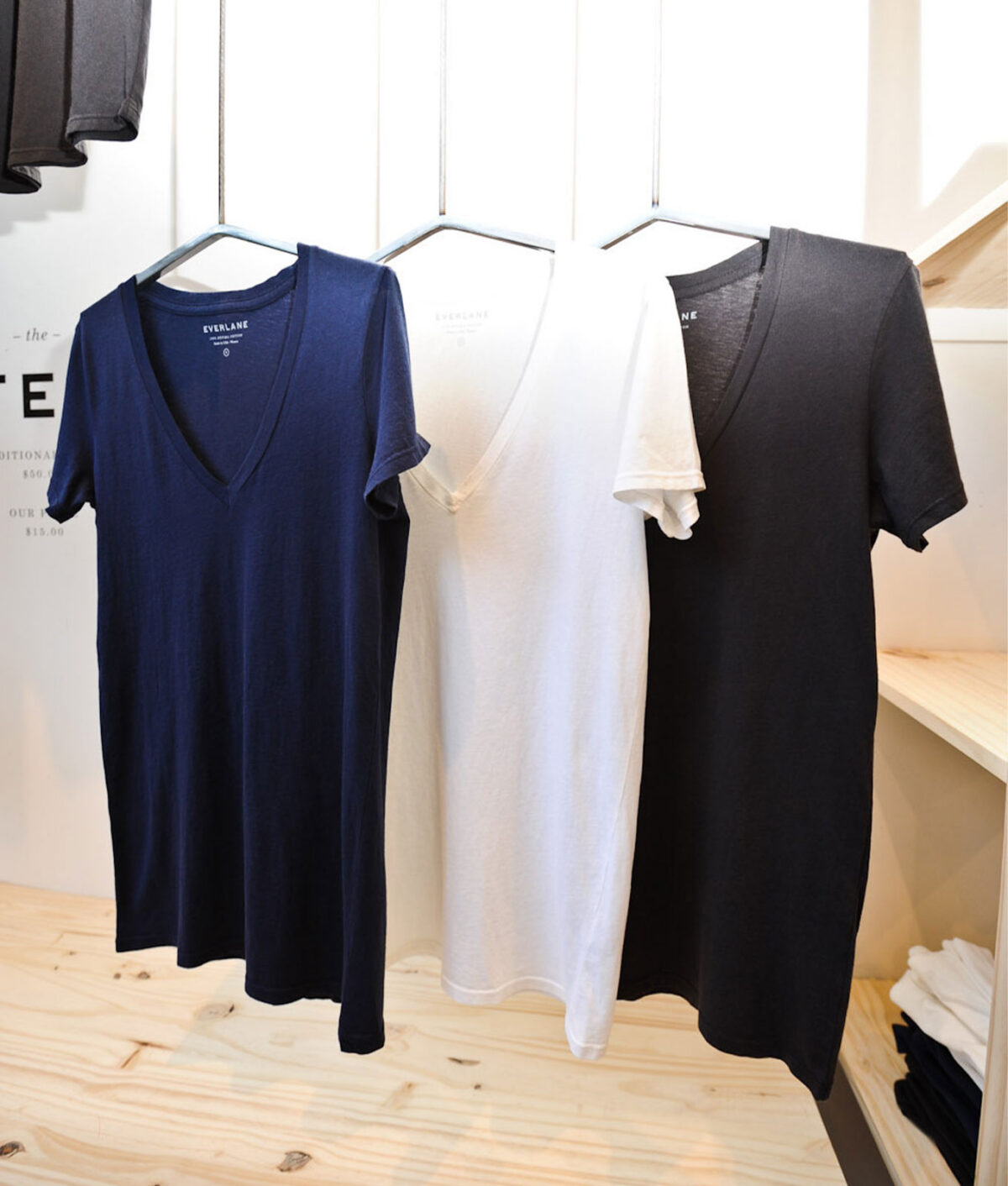

shein-everlane-deal: everlane t-shirt rack
Carly Erickson/BFA/Shutterstock

And the numbers tell the story, too. According to Forbes, Everlane was once valued around $600 million during the peak of the direct-to-consumer boom. Now, the reported Shein acquisition values the company closer to $100 million.

Part of the reason the deal doesn’t feel as shocking as it probably should is because consumers increasingly feel like the line between ethical fashion and fast fashion barely exists. One Reddit user, Anon_bunn, summed it up bluntly: “Shein gets a lot of hate for being fast fashion, but folks are ignoring that the gradual decline of quality in almost all mid-tier brands means that almost everything is fast fashion in the ‘made to throw away’ sense. The real issue with fast fashion is that it turned clothing into disposable goods, almost all brands have followed suit.”

In other words, shoppers started noticing that even brands positioned as elevated weren’t necessarily making clothes designed to last forever. Prices went up, and sadly, quality often didn’t.

This to me, is why the Shein and Everlane deal is a logical ending to a story that’s been unfolding for years. Not that Shein buying Everlane isn’t hypocritical. I mean, obviously it is. But the more uncomfortable truth is that the entire millennial fantasy around ethical consumerism was always a little fragile. The movement still centered shopping. It still relied on consumption. Now, we live in a culture where people openly joke about overconsumption while adding 100 items to their cart. The guilt that used to surround fast fashion has faded into a shrug.

So yes, the Shein/Everlane deal is a business story. But it’s also the unofficial end of millennial fashion as a cultural identity—the collapse of the whole buy-less-buy-better mindset that defined so much of 2010s style. Before TikTok aesthetics, before dupes became their own economy and before our algorithms turned getting dressed into a nonstop cycle of consumption.


Deena Headshot

Deena Campbell

Fashion and Beauty Director-at-Large

  • Oversees fashion and beauty content. 
  • Former Beauty Director at Marie Claire; editorial lead at Allure, Essence, and L’Oréal-owned beauty platforms
  • Advocate for inclusive storytelling in style, beauty, and wellness