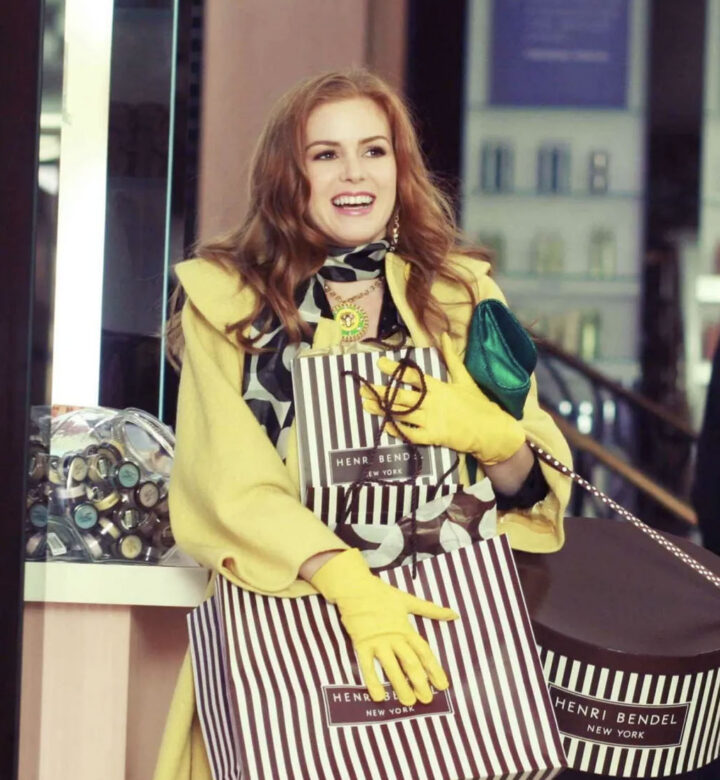
We’re all familiar with the idea of “keeping up with the Joneses,” where we overspend because we feel insecure about our finances and believe others to be further ahead than we are. That’s a form of money dysmorphia, the idea that how somebody perceives their financial situation is different than the reality of their financial situation. But it can skew the other way, too: folks who are doing fine or better than fine financially, but always feel behind-the-curve.
That form of money dysmorphia is far more common, says financial therapist and author of The Financial Anxiety Solution Lindsay Bryan-Podvin. And millennials are actually far more susceptible to it than other generations.
It’s the person walking around saying, “I’m so poor, I can’t afford this,” when, objectively, they have a good income, explains Bryan-Podvin. Or the friend who won’t meet you for coffee because they’re worried a $6 latte will bankrupt their 401k. Heck, it’s the parents who have saved the full amount for college only to lie awake gripped with the anxiety that it’s still not enough.
“We’re talking about someone who is distressed by every single dollar spent, even when they can afford to spend it,” Bryan-Podvin explains. And it can have a debilitating effect for the millennial generation.
“We used to associate money dysmorphia with our great grandparents or grandparents,” Bryan-Podvin explains. “People who grew up in the Great Depression. They’d save the orange slice garnish when we would go out to eat and bring it home to eat later, right? But that made sense because, at one point, they experienced financial distress and that mindset was hard to let go of.”

“You’re bad if you buy a bag. If you go out to brunch when you have eggs in the fridge, it’s morally wrong and you have no willpower. It’s really hard when you’re subjected to those messages everywhere.”
Lindsay Bryan-Podvin
Millennials, similarly, came of age right around the Great Recession, and later watched housing prices and cost-of-living skyrocket in the aftermath of a global pandemic. And, unlike previous generations, we spend our free time doomscrolling through social media feeds that highlight financial extremes and/or demonize spending choices. “You’re bad if you buy a bag. If you go out to brunch when you have eggs in the fridge, it’s morally wrong and you have no willpower,” Bryan-Podvin explains. “It’s really hard when you’re subjected to those messages everywhere.”