The first time I ever took a personality test, I brushed it off as a bunch of hooey. But after reading my Myers-Briggs results? It was an arrow through the heart. I’d never felt so seen. And, after learning that my type—the INFJ—was the rarest type, everything suddenly made so much sense. Maybe that’s why I'd been feeling so lonely. Below, I’ve broken down exactly what it means to be an INFJ in temperament, work, life and relationships, with the help of two personality type experts.
The Rarest Personality Type, Explained
Sincerely, your INFJ neighbor
•
Published Feb 16, 2026
Clasos.com.mx/SARAH YENESEL/EPA-EFE/Xavier Collin/Image Press Agency/Shutterstock
Meet the Experts
- Jessica Alderson is the founder of So Syncd, a company that started as a personality type dating app and grew to 350,000 users. (Fun fact: INFJ was the most popular type on the platform.) She is also the author of the book The Ultimate Guide to Personality Types, and has been quoted in Cosmopolitan, Refinery29, Vogue, Men's Health, Vice, Mashable, the Daily Mail, the Huffington Post, Psych Central and InStyle.
- Emma Williams is an organizational psychologist and the Research Officer at HIGH5 Test. She is a certified career coach with over 25 years of international experience helping teams and organizations with talent assessment and leadership development.
So, What Does It Stand For?
An INFJ embodies the following traits: Introverted, Intuitive, Feeling, Judging.
- Introverted: As suggested, INFJs are introverts. They need their alone time. Even the most extroverted introvert will feel wiped after social interaction.
- Intuitive: This personality type loves the big picture and grand ideas. They’re daydreamers and visionaries, and they are often frustrated caught up in the nitty-gritties of the facts.
- Feeling: Highly relational and in touch with their emotions, they prioritize others’ well-being and lead with their gut.
- Judging: These individuals love a plan—spontaneity is anathema. They are hyper-focused and goal-oriented.
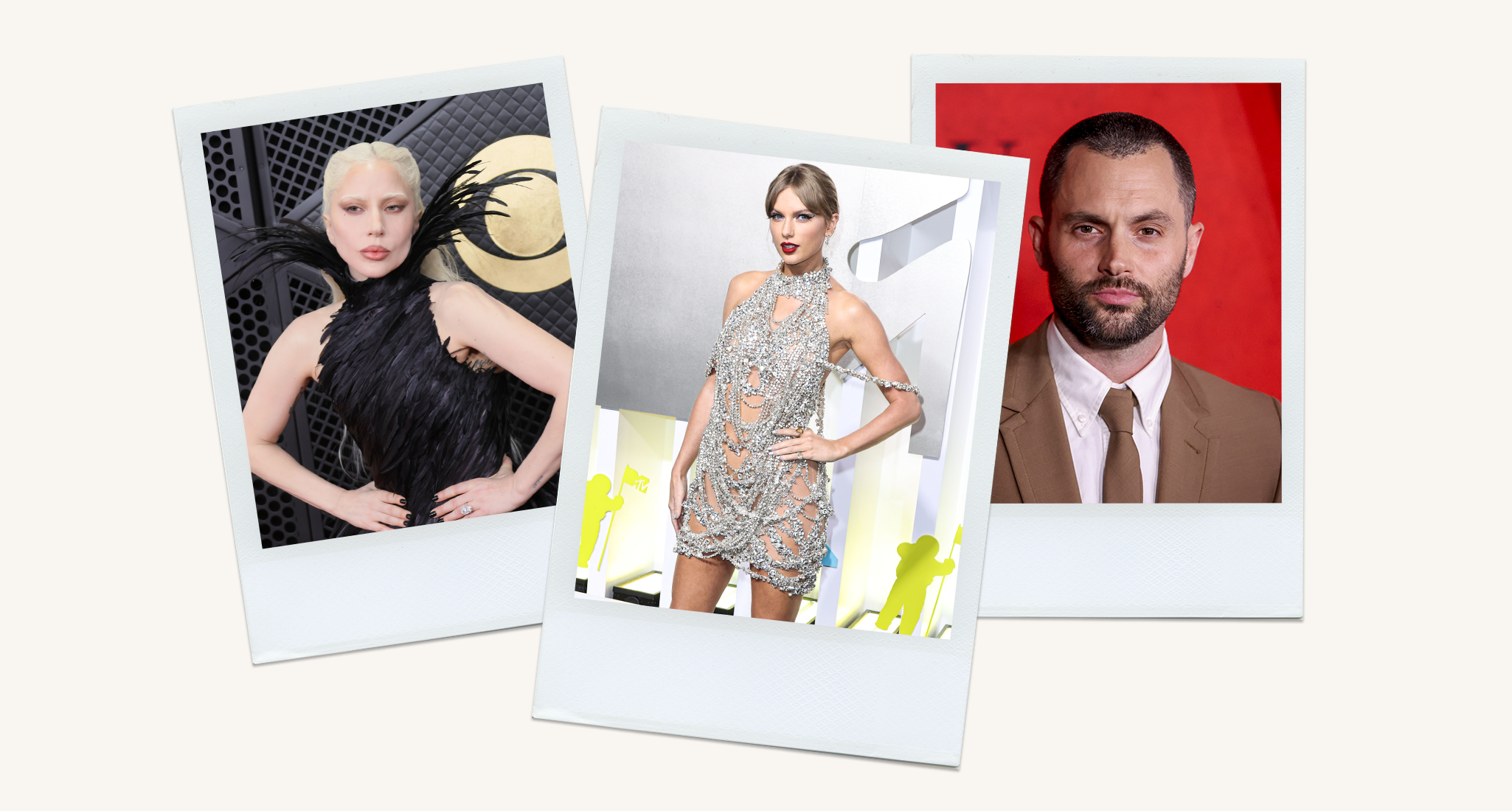
So, what does all this boil down to? Per Williams, INFJs are bubbling over with thoughts and feelings—though only close friends and family see this rich inner life. Otherwise, this personality type can come off as reserved.
“They're compassionate, idealistic, imaginative—They think about the future and big ideas, and make decisions based on how people feel,” Williams says. “These people really care about making the world better and helping others reach their potential. They can read emotions really well and know what you're feeling before you say it.”
Clasos.com.mx/Shutterstock
INFJ Strengths
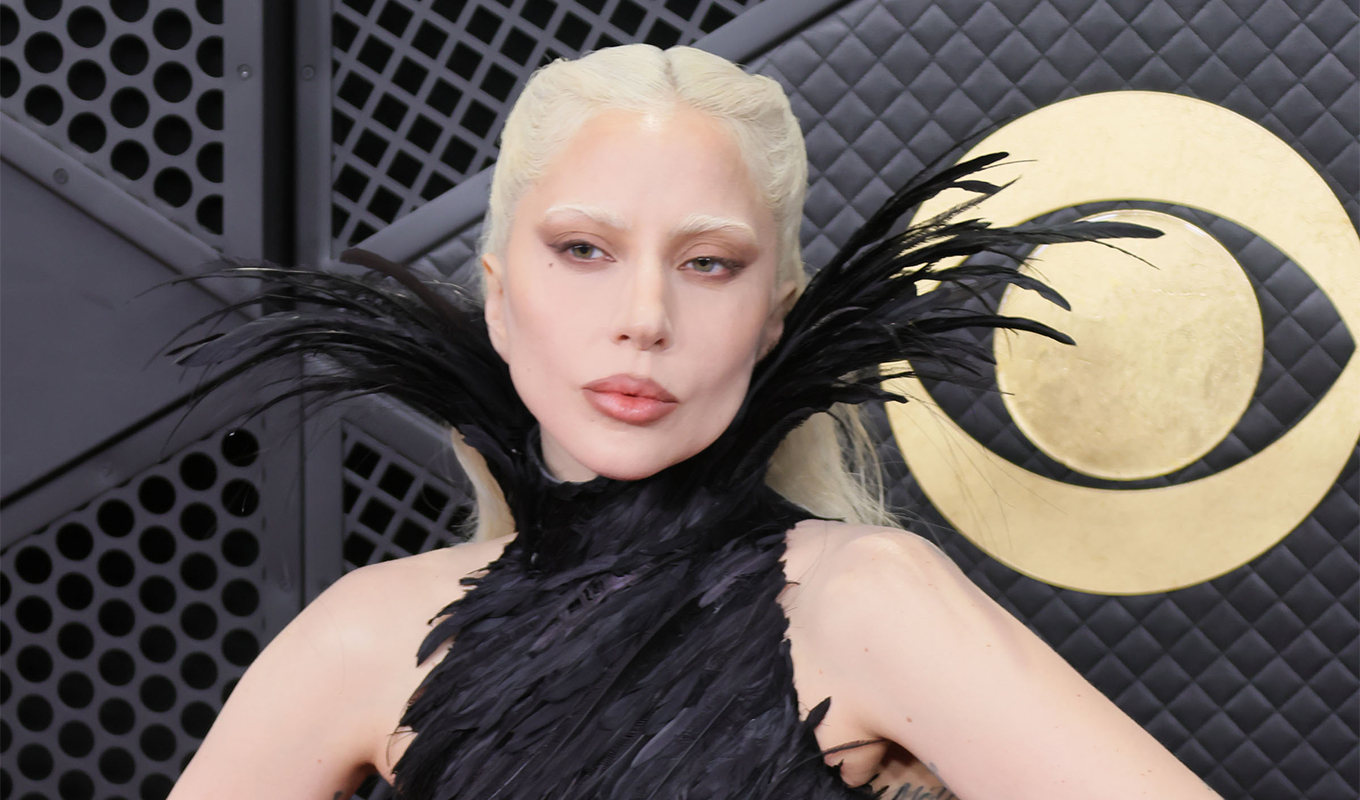
Much as I hate it, I have the feels. I’m super in-tune with people’s emotions; I can read a room like I’m about to write a Ph.D. dissertation. This, as it turns out, is right in line with one of the INFJ’s core strengths. As Alderson explains, “INFJs are naturally tuned into people’s emotions, unspoken social dynamics and underlying motivations, which allows them to understand people on a deeper level.”
Despite being a fount of feelings, we are incredibly resilient. “They are some of the most quietly strong people out there and you can count on them to fight for causes they believe in,” Alderson continues. “While they don’t typically rock the boat in day-to-day life, if they believe in something, you can be sure they will stand up for it.”
My favorite part about being an INFJ is the superpower that allows me to combine big-picture ideas, empathy and strategic thinking. In short: It’s not all fun and fluff. We get stuff done.
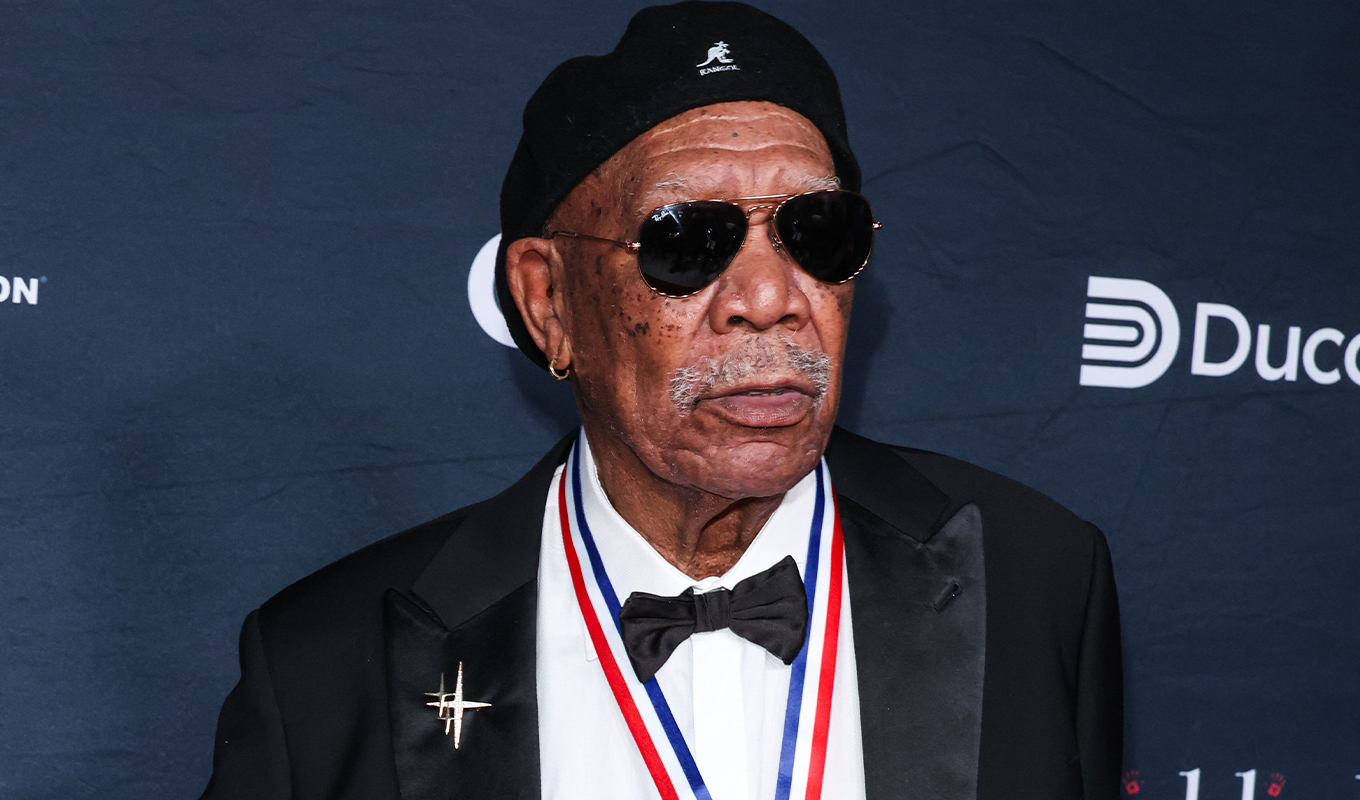
Image Press Agency/NurPhoto/Shutterstock
INFJ Weaknesses
As an introvert, I am not an external processor. I like to sit with my thoughts before I speak, and sometimes that “sitting” extends to days, weeks, months…I’ve even taken years to turn over an idea. This is tough because, Alderson notes, Western culture values—and rewards—visibility, speed and material success over depth, reflection and emotional intelligence.
And while being an empath is a good thing, it can also trip us up. INFJs easily absorb others’ emotions, Alderson says, and that leads to feeling drained and overwhelmed. Above all, I’ve found that the biggest Achilles heel for me (and other INFJs, per Williams) is conflict avoidance.
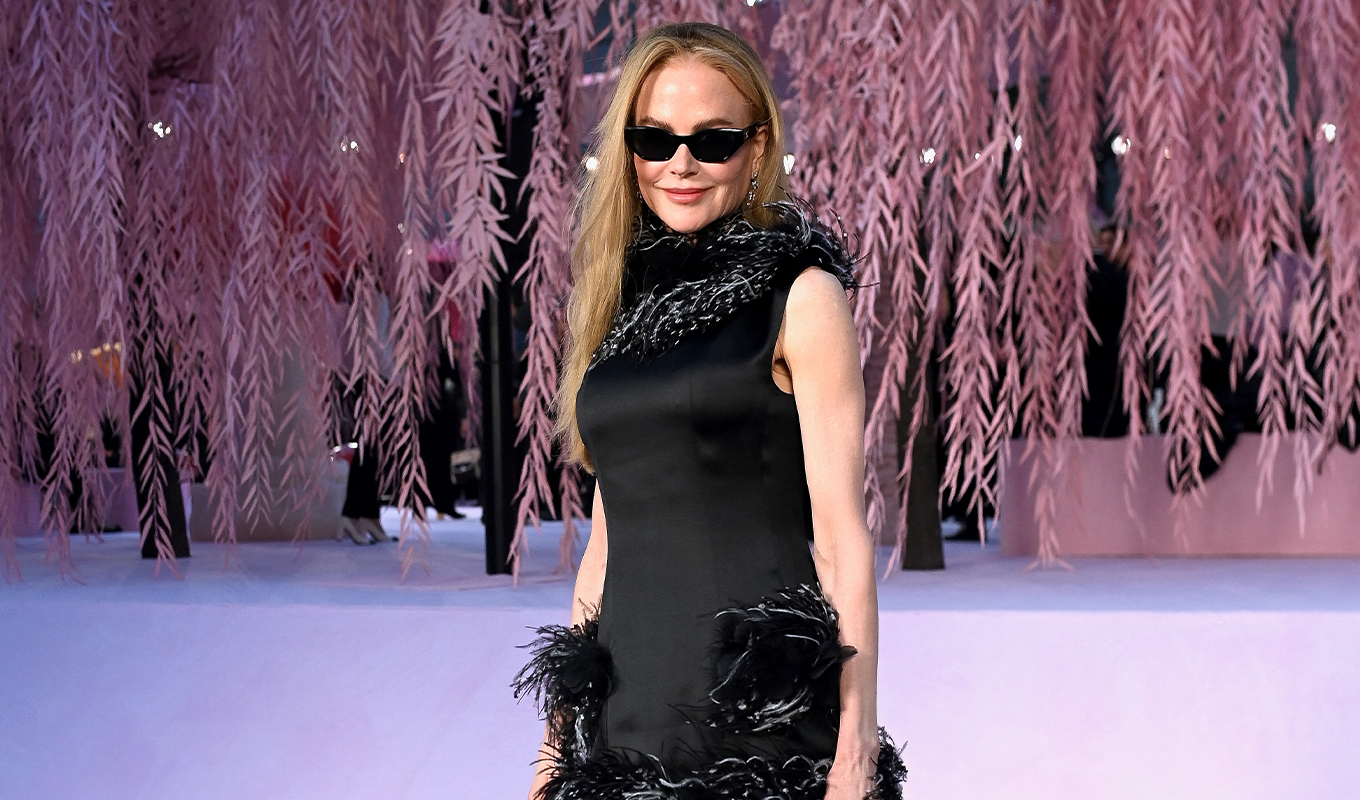
“They will avoid arguments and may say nothing if they feel it might hurt someone,” Williams says. “They find it difficult to receive feedback that's overly critical or blunt, and may take it personally.”
AbacaPress/Shutterstock
INFJ in Relationships
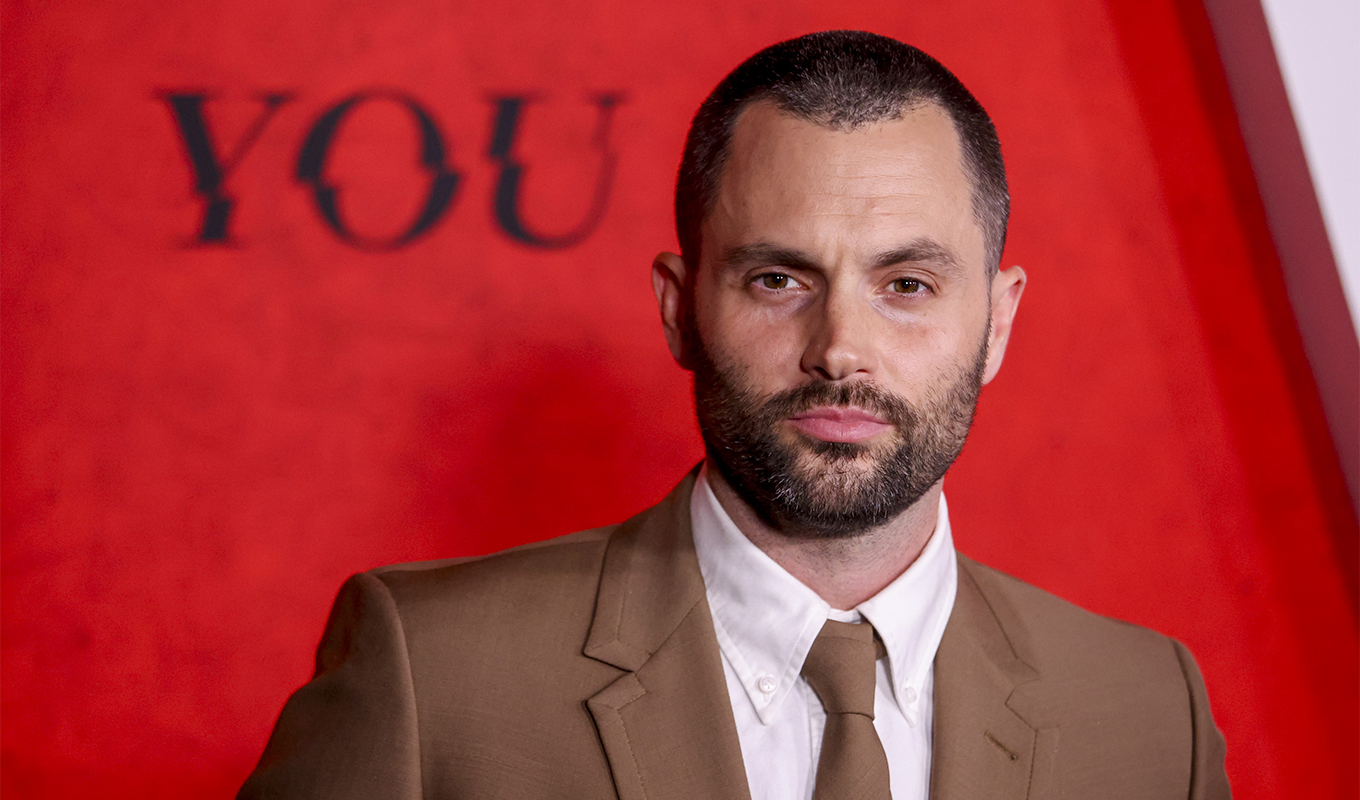
All the INFJs I know are a catch—and Alderson agrees. “INFJs are deep, thoughtful and attentive partners. They’re an interesting mix because they’re highly emotionally attuned yet deeply independent,” she says.
While I’d try to matchmake all the INFJs I know, it’s important to understand that we can take some time to warm up. Once people get to know us, though, they’ll see we’re completely serious and invested.
As for an INFJ-INFJ romantic pairing? Alderson says that in this case, they’re better off just friends. While it’s amazing to have (finally) found someone on the same wavelength, I can attest that anything more than friends is a little too intense—and we’ll never get out of our comfort zones.
SARAH YENESEL/EPA-EFE/Shutterstock
INFJ at Work
When it comes to work, I’ve always said my biggest strengths are big-picture ideas and community building. And according to Williams, I’ve hit the INFJ’s key work traits right on the nose.
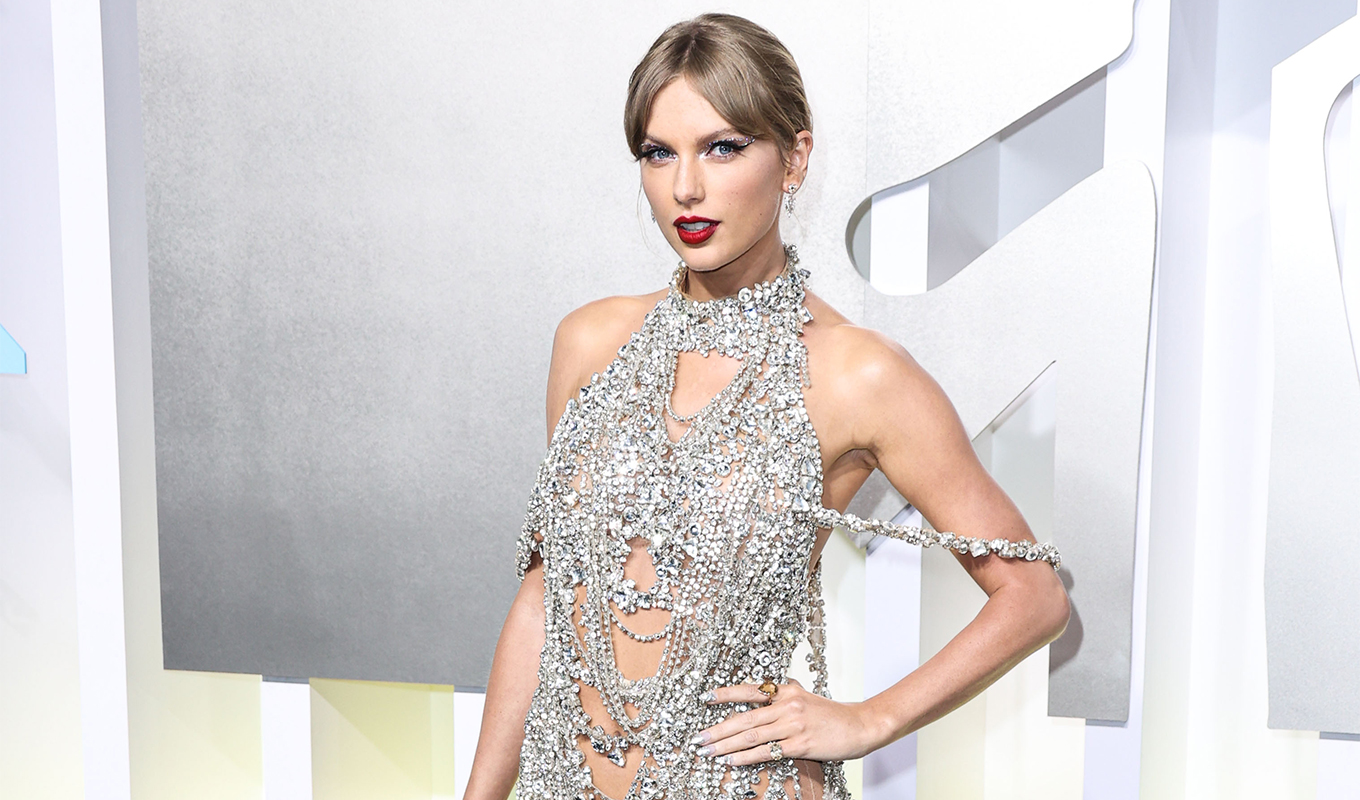
“INFJs are good at seeing the big picture and coming up with new ideas. They plan well and like to solve problems,” she elaborates. “Because they are sensitive to others, they make a nice team member and inspire colleagues.”
Because of the INFJ’s penchant for conflict avoidance, they are helpful in resolving others’ disputes but lack initiative in addressing their own. Harsh, unfair criticism, office politics and meaningless tasks will sink morale.
Xavier Collin/Image Press Agency/Shutterstock
INFJ’s Pet Peeves
When Williams rattled off the INFJ’s pet peeves, I thought, Yep, that’s me to a T. If you want to get along with an INFJ, you’ll skip the small talk. For us, the real currency is a deep, meaningful connection. So it goes without saying that we hate fake, dramatic behavior and rude, patronizing attitudes. Remember, we’re all about relationships and we’re empathetic to a fault, so things like that drive us nuts. And I wouldn’t be an INFJ if I didn’t mention the most dreaded thing of all: Don’t make any last-minute changes.