Running Your First Race? Here Are 16 Marathon Training Tips the Pros Swear By

Take it from those who’ve gone before you (and set world records)

marathon running tips uni
David Madison/Getty Images

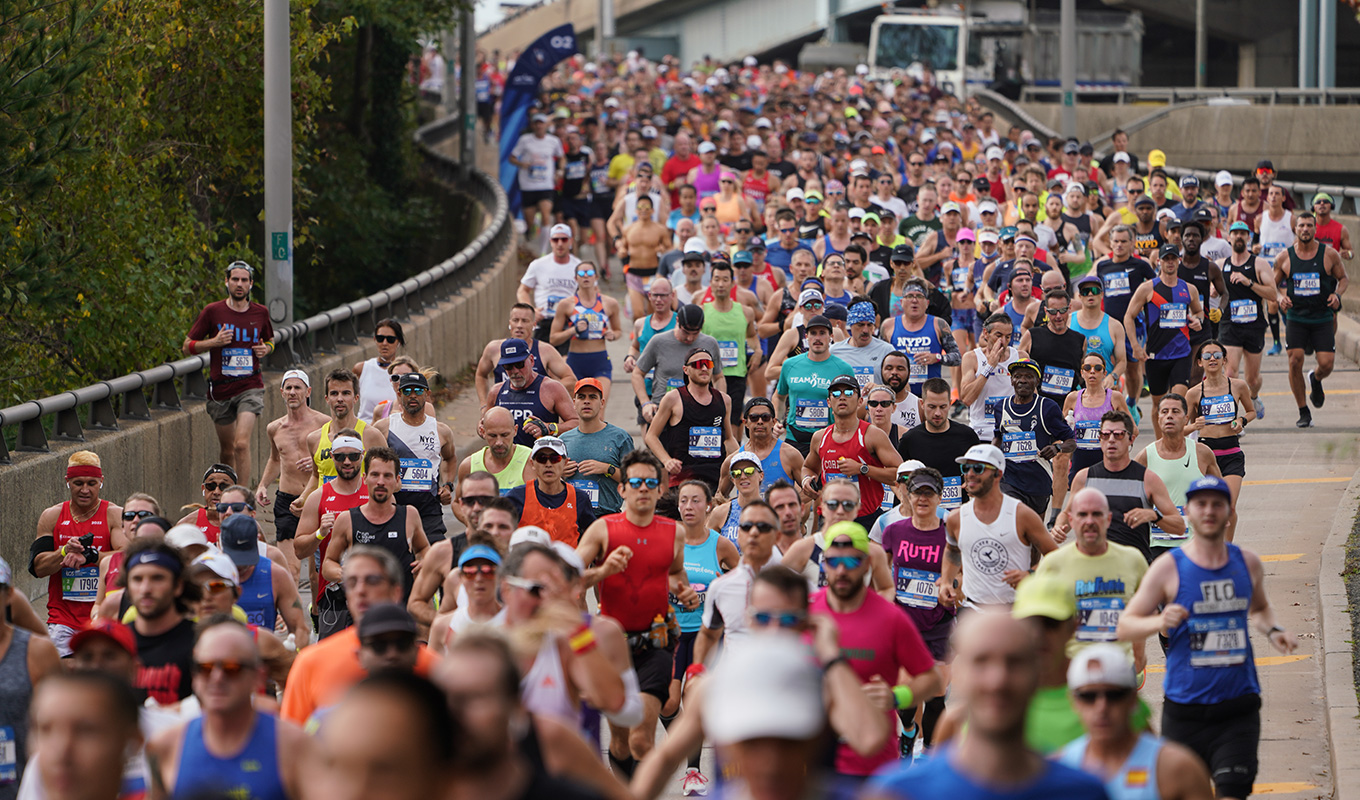
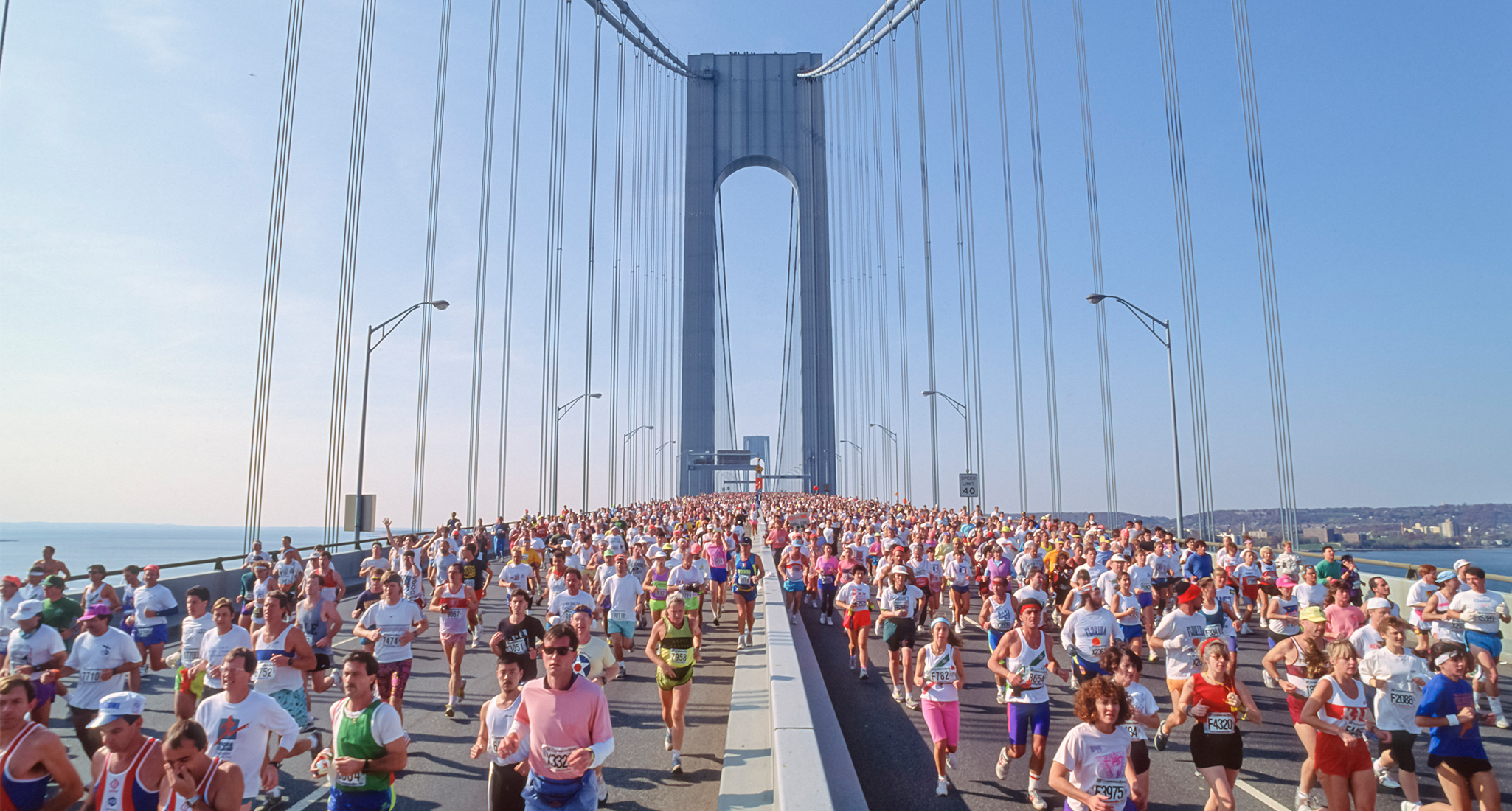
Running a marathon is no small feat, and as thousands of hopefuls hit the pavement this fall, many will be taking on the 26.2-mile distance for the very first time. For most, it’s a once-in-a-lifetime experience. Something they’ve been dreaming of for years and training for for months. But for a select few (ya know, the professionals, Olympians and elite coaches), it’s simply their day job.

With years of experience under their belt, I couldn’t help but ask a few of my favorite pro athletes, New York Road Runners coaches and Peloton running instructors about their top marathon training tips. From mantras to mileage, here’s everything they had to say about taking on your first big race.

3 Professional Runners Share Their Pre-Race Routines (from Marathon Rice to Nail Polish Superstitions)


1. “Live it and have fun, just experience everything. For your first marathon, know what you’re going to say to yourself when it gets hard, because at some point in a marathon it’s going to get hard.” - Keira D’Amato (USA), American women-only 10-mile record holder; four-time USA Track & Field national champion

2. "The biggest mistake that first-time runners can make is under-fueling. I made this mistake several times, thinking I was eating enough or taking enough fuel with me [on runs]. I've learned to track my carbohydrates for a little bit, so now I know what foods or drinks work best for me." Tatyana McFadden (USA), most decorated American track-and-field athlete of all time with 22 Paralympic medals; five-time NYC Marathon champion

3. “I think for your first marathon, it's most important to follow your own race plan. Don't do anything different race morning; practice what you've preached the whole entire time that you've been building up. And then race day, go out and do what you're prepared to do. Don't worry about what anybody else is doing. Focus on yourself, your time and your goals.” - Kellyn Taylor (USA), elite marathoner, U.S. national champion, and multiple-time Olympic Trials finalist

4. "On race day, if you’re feeling nervous, remember that the hard part is already done, meaning the training for a marathon is the toughest part, and the actual race is a celebration of all your hard work and discipline. You get to celebrate you!" - Selena Samuela, Peloton instructor

marathon-running-tips-new-york-city-marathon
Anadolu Agency/Getty Images

5. “Don't focus only on the finish line; focus on each step of the marathon. Make it into [a collection of] small goals, you know, you want to be more efficient for the next mile, or you want to breathe a little more efficiently for this next mile or you want to smile two times. Something small to break up the marathon, but to get you through it to the best of your ability, is how I would approach a first race.” - Susannah Scaroni (USA), Paralympic gold medalist, four-time Paralympian, and 2023 Boston Marathon champion.

6. "I think the biggest mistake that first-time marathoners make is starting too quickly. The marathon should feel relatively easy those early miles, and it's exciting to start quicker than you've planned. I recommend not running faster than your goal pace for the first 20 miles. If you finish and find that pace was too conservative, you can adjust and run another marathon." - Conner Mantz (USA), American marathon record holder with a time of 2:04:43

7. On training: "Enjoy the process. You made a conscious decision to put yourself in this situation and it can often feel overwhelming and tough but you are the conductor of this orchestra. Make the music play as beautifully as you can. And when you feel like you need to have an easier day, take it. Training plans are guides to keep you accountable; however, you are the only person who knows your body intrinsically, so listen to it. Scaling back for a day or two won't sabotage your progress." On race day: "Be aware that race day is just like all the other long runs in that it does not have to go to plan—and it may not. Ahead of time, be OK with the outcome of the day and grateful that your body was even able to begin training for something so huge." - Becs Gentry, Peloton instructor

8. “[As a mom], I had to really dial in my nutrition, because if you have young babies and you're breastfeeding, you don't have time to be as intentional about what you're refueling with or how often you refuel. I try to be prepared with the snacks; I always have them on me. And you know, sleep just isn't as good as it was before, so I don't have any tips there—just solidarity.” - Molly Huddle (USA), two-time Olympian, 28-time national champion, co-author of How She Did It and mother of two

9. “Be patient in what you’re doing and trust what you’re doing. When you come to race, don’t be like 'I want to go fast just for a fast time.' Sit back and enjoy the race, whatever the outcome may be.” - Hellen Obiri (KEN), three-time Olympic medalist, two-time Boston Marathon champion and 2023 NYC Marathon champion

10. “Have a 'why' and keep in touch with it. You chose to do a marathon for a reason: cross off a bucket list item, raise funds, honor a loved one, share training and race day with a friend. Remind yourself of your 'why' (and you can have more than one) to keep yourself motivated and purpose-driven.”- Gordon Bakoulis, NYRR Group Training Coach

11. “I think you need consistency to be a good runner. Show up and start every single day. Pretty soon, you’ll have a routine. Once you do that, it’ll be easy to get back out and build fitness. Stay patient, stay consistent.” - Des Linden (USA), 2018 Boston Marathon champion, two-time Olympian and women's 50K world record holder

marathon training tips runner with her support team
Craig Barritt/Getty Images

12. On training: "One of my top marathon training tips is to build a playlist that will give you a boost during the run. If there's a point in the race where you know you'll need extra support or motivation, have that song ready. For me, it’s Elton John's ‘I’m Still Standing.’ Whenever I hit a tough moment in a race, I put it on, and it picks me right back up and keeps me going." On race day: "Think of marathon day like a surprise birthday party—you know it's happening, but you’ll still be surprised by how many people will cheer you on. You’ve done the training...now, trust that training. Race day is your victory lap, a chance for everyone to celebrate your hard work and commitment. Left foot, right foot, repeat—that’s all you have to focus on." - Jeffrey McEachern, Peloton instructor

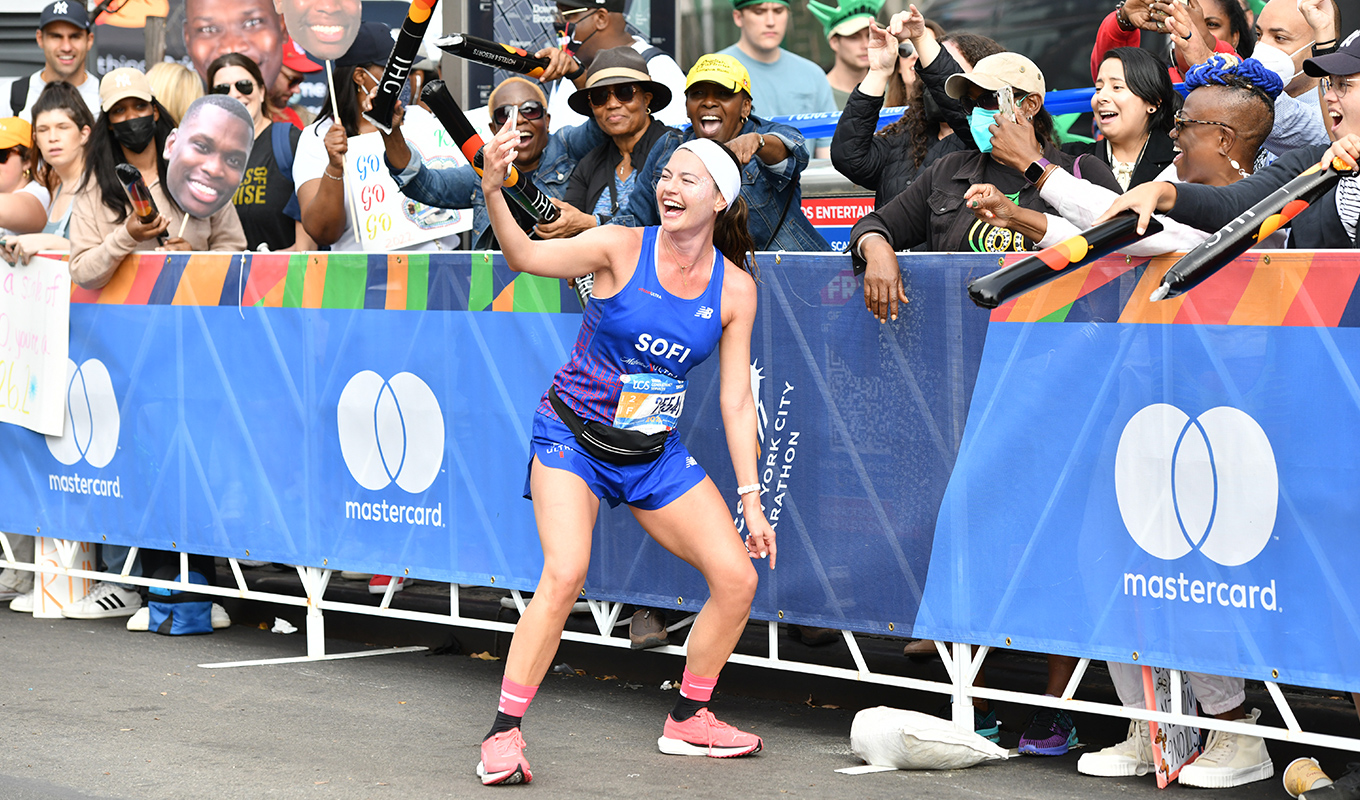
13. “Have a support system. You may train alone or with others, but preparing for a marathon is not a solo endeavor. Get your loved ones on board as your support crew during training and on race day—whether it’s a spouse/partner who watches the kids during your long runs, an understanding colleague who 'gets' you need to leave at 5 p.m. or a group of friends who donate to your fundraising efforts. And make sure to thank them after you cross the finish line.” - Gordon Bakoulis, NYRR Group Training Coach

14. “Course awareness: Prepare for the type of course you’ll be racing by doing some of your long runs over similar topography. Whether flat, downhill, hilly or an undulating marathon, you’ll give yourself the best chance for success by adding similar elevation profiles to some of your long runs. Diversifying your runs will set you up well for whatever the marathon has to throw at you.” -  Roberto Mandje, NYRR Senior Advisor of Engagement and Coaching

15. “Know the difference between soreness, pain and fatigue. Soreness is typically felt at the beginning of your training cycle, when your body is adapting to the mileage and workouts. It should eventually go away as you get fitter and into a training routine. Pain tends to linger and can feel both sharp and specific to an area on your body. If the sensation doesn’t go away despite taking a few days off, check in with a physical therapist. Fatigue, to a certain extent, is something most if not all marathoners live with while training. Despite training well, it may feel like you’re constantly tired, as you straddle the delicate balance of training and recovery. Listen to your body and be brave enough to take an extra day off here and there and/or slow your training pace down on easy and recovery days. Remember, it’s better to be 10 miles undertrained than one mile over, because the gains are made in the recovery.” - Roberto Mandje, NYRR Senior Advisor of Engagement and Coaching

16. On hitting "the wall": "I think the main mistake is actually being too scared about the idea of 'hitting the wall'. I believe that if you've trained well and you have a proper plan, even from a fueling perspective, you should not go into a race believing that at some point you will definitely hit the wall. It is a mental mistake which I think can negatively influence your performance. You might experience fatigue, but it might not mean you're hitting the wall. Fatigue in a marathon [will be] there, but when it happens, you might have what it takes to handle it. Train for it mentally and physically!" - Benson Kipruto (KEN), defending NYC Marathon champion, Olympic bronze medalist and winner of the Boston, Chicago and Tokyo Marathons


catrina headshot

Catrina Yohay

Executive Managing Editor

  • Oversees editorial operations; covers a mix of lifestyle topics, including fitness, beauty and all things Disney
  • Former D1 athlete, certified nutrition coach, avid runner
  • B.A. in English and biology from Lafayette College