I Tried the Viral Neko Health Full-Body Scan, Here’s What I Learned About My Health

So. Much. Data

neko-health-body-scan
Original Photos by Deena Campbell/Paula Boudes for PureWow

I’m exactly the kind of person a full-body health scan is designed to entice. Tell me that in about an hour you can collect millions of data points about my heart, blood, skin and metabolic health—and give me the results before I leave—and you have my full attention. So when I had the opportunity to try the Neko Health Scan during a trip to London, I was intrigued. Could one appointment really tell me something meaningful about my health? And, perhaps more importantly, would knowing more actually make me feel better?

After going through the experience and speaking with an independent physician about what these kinds of screenings can and can’t tell us, I realized the answer is a little more complicated than a simple yes or no.

neko-health-body-scan
Original Photo by Deena Campbell

What Is a Neko Health Body Scan?

Neko Health is a health technology company founded by Spotify co-founder Daniel Ek and Hjalmar Nilsonne. It opened its first clinic in Stockholm in 2023 and is essentially a preventive health assessment designed to collect a large amount of information about your body in one visit. The appointment takes around 60 minutes and combines millions of data points related to cardiovascular health, blood markers, skin, circulation and metabolic health.

Unlike some full-body scans that rely on CT scans or other imaging technology, the Neko experience is non-invasive and radiation-free. And, you don’t have to wait days (or spend hours spiraling while refreshing a patient portal) to get your results. They’re available during the same visit, and afterward, you sit down with a clinician who walks you through what was found, explains what it means and discusses any potential next steps.

My Experience Getting the Neko Health Scan in London

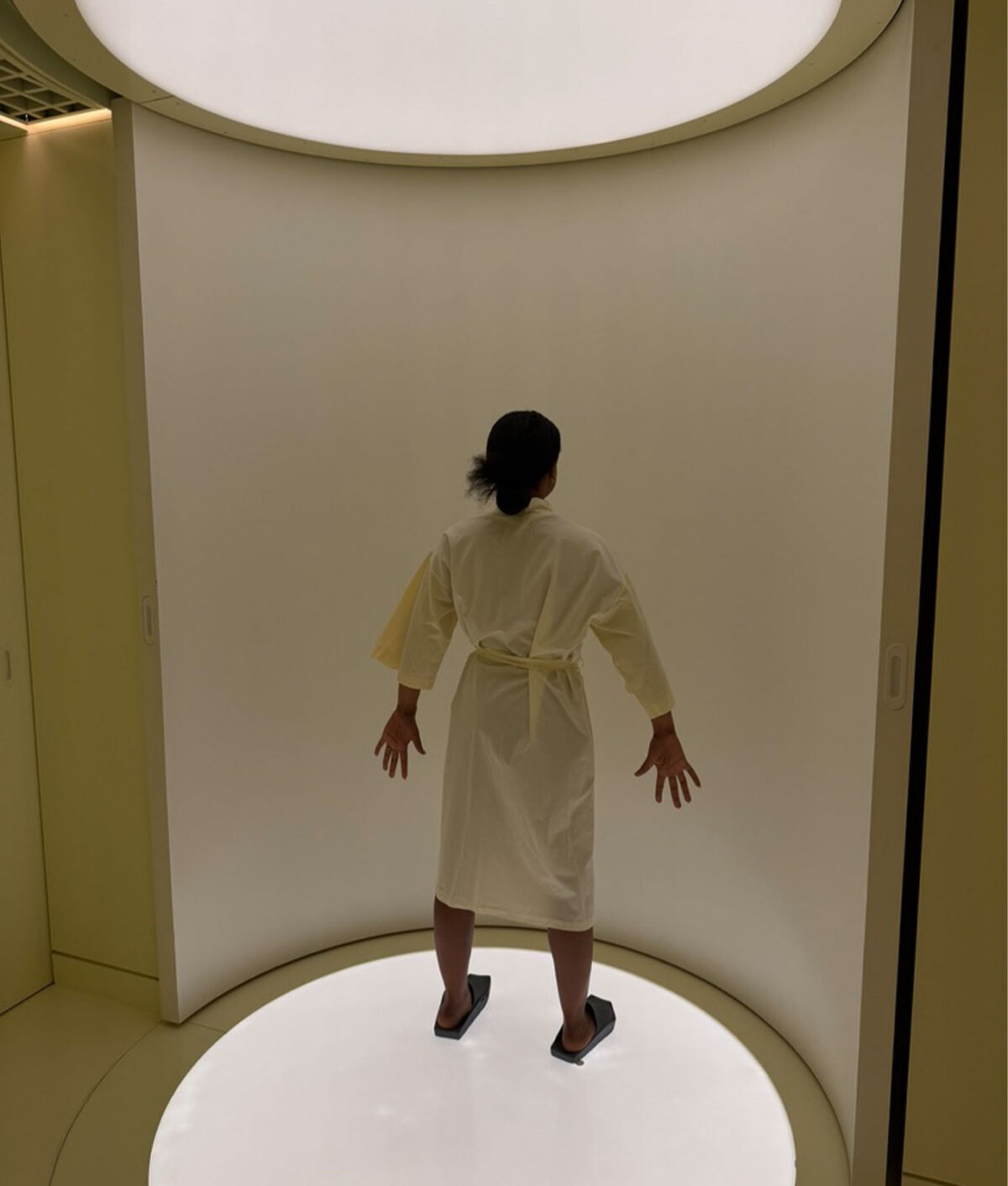
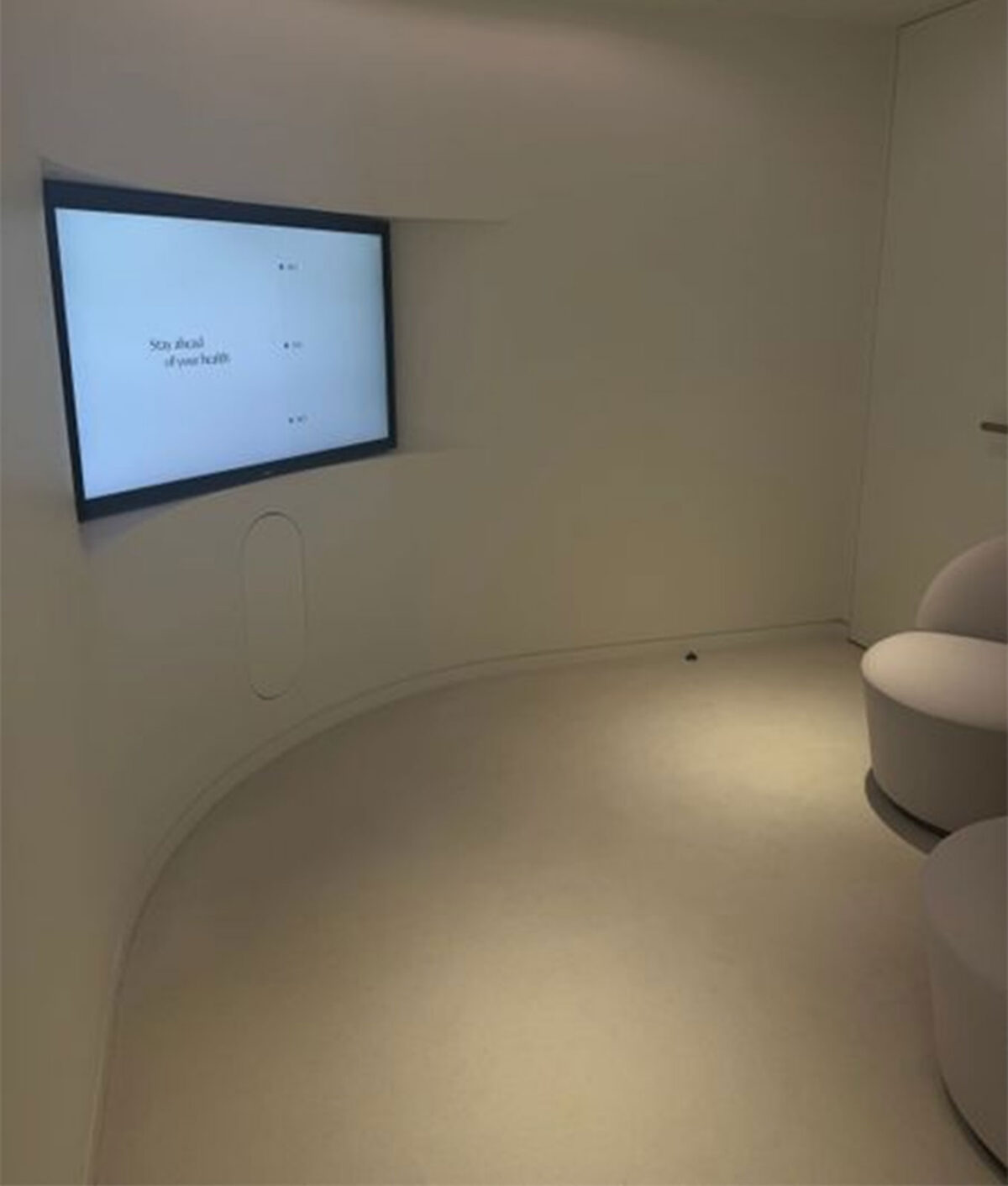
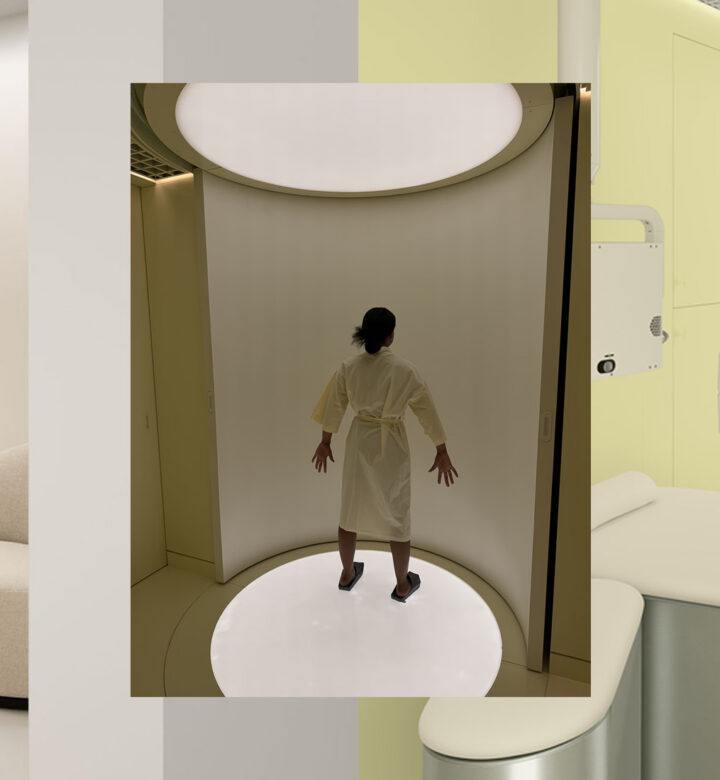
The first thing that struck me was how enjoyable my experience felt. This wasn’t an hour filled with fluorescent lights, stiff paper gowns and sitting in a waiting room wondering when someone would call my name. My experience was streamlined, modern and, frankly, a little futuristic.

neko-health-scan-experience
Original Photo by Deena Campbell

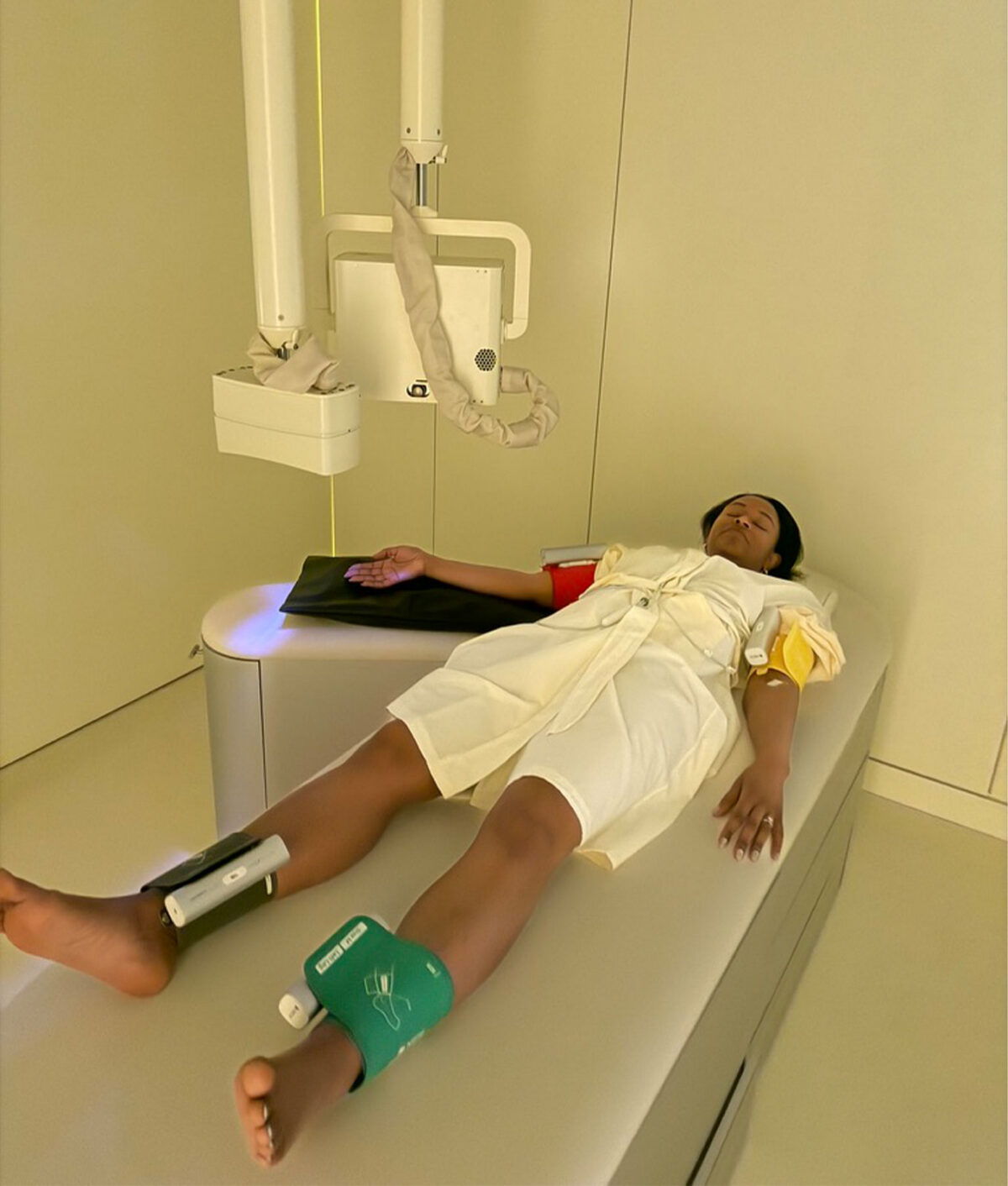
The scan itself was surprisingly easy. My heart and arterial health were assessed using an ECG, pulse measurements taken at multiple locations and microcirculation checks. A quick on-site blood draw tested cholesterol (including LDL and HDL), blood sugar markers, inflammation and basic liver and kidney function. High-resolution photography mapped my entire body, tracking moles and other skin markings to look for irregularities.

It’s also important to understand what Neko isn’t looking at. Despite being called a full-body scan this isn’t an MRI, CT scan or ultrasound, and it isn’t designed to look deep inside your internal organs. It also doesn’t include extensive hormone panels, genetic testing or a deep dive into vitamins and minerals. In other words, there’s a lot of information being collected, but there are also plenty of things the scan simply doesn’t assess. But my favorite part wasn’t the technology. It was what came afterward.

Rather than sending me home with a portal full of numbers I would inevitably Google at midnight, I sat down with a clinician who walked me through my results. We could discuss what looked good, what deserved attention and what (if anything) I should do next.

The Results

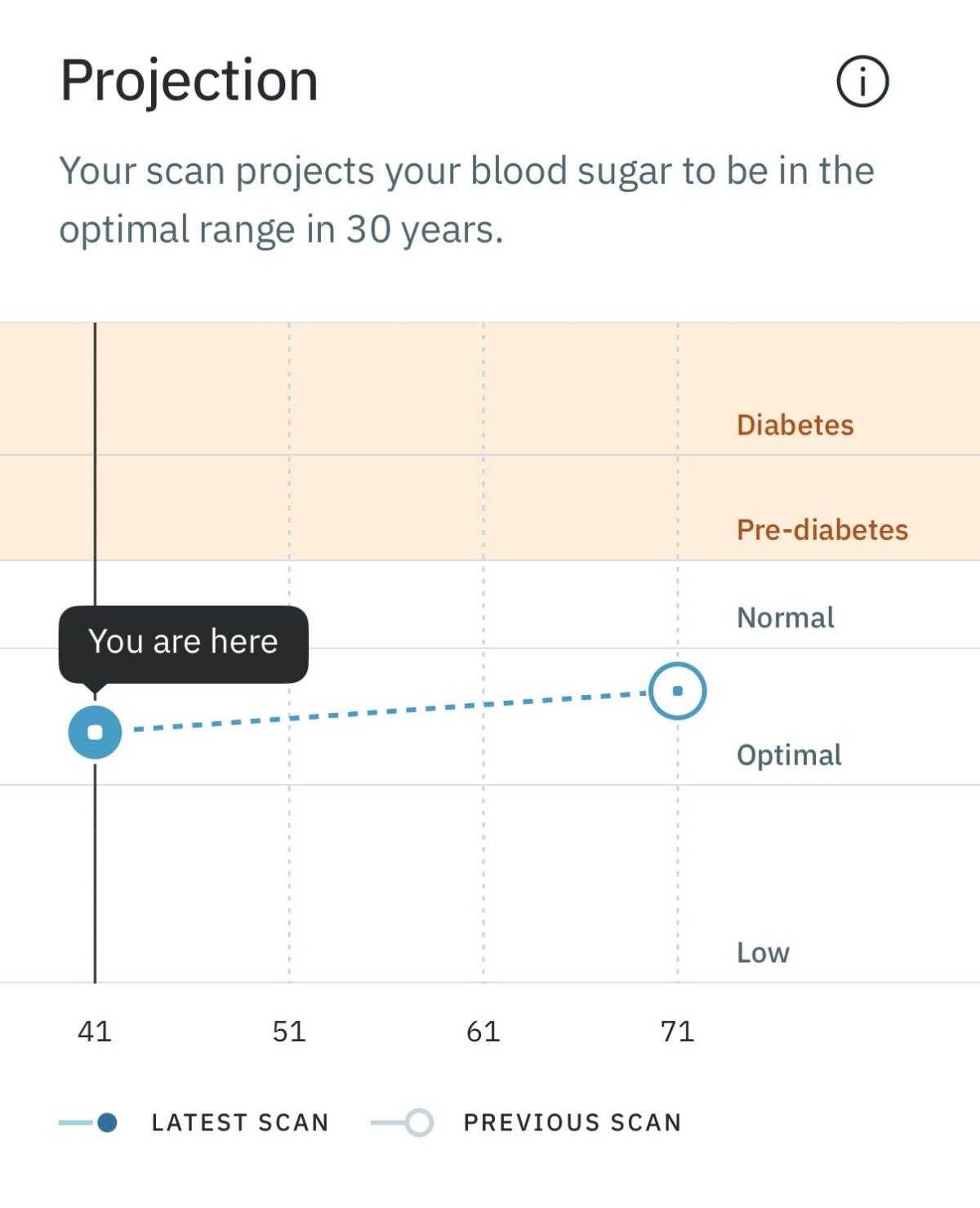
The results didn’t just tell me where my health stands right now; they also offered projections of where it could be headed. For instance, based on my current health data, Neko was able to project where my blood sugar could be in the next 30 years. It’s a little surreal to see a graph attempting to map out your health decades into the future, but it also made some of the numbers feel more actionable. Rather than simply being told, “This is your blood sugar today,” I could see what staying on my current trajectory might mean down the road.

neko results 1 1200x1479

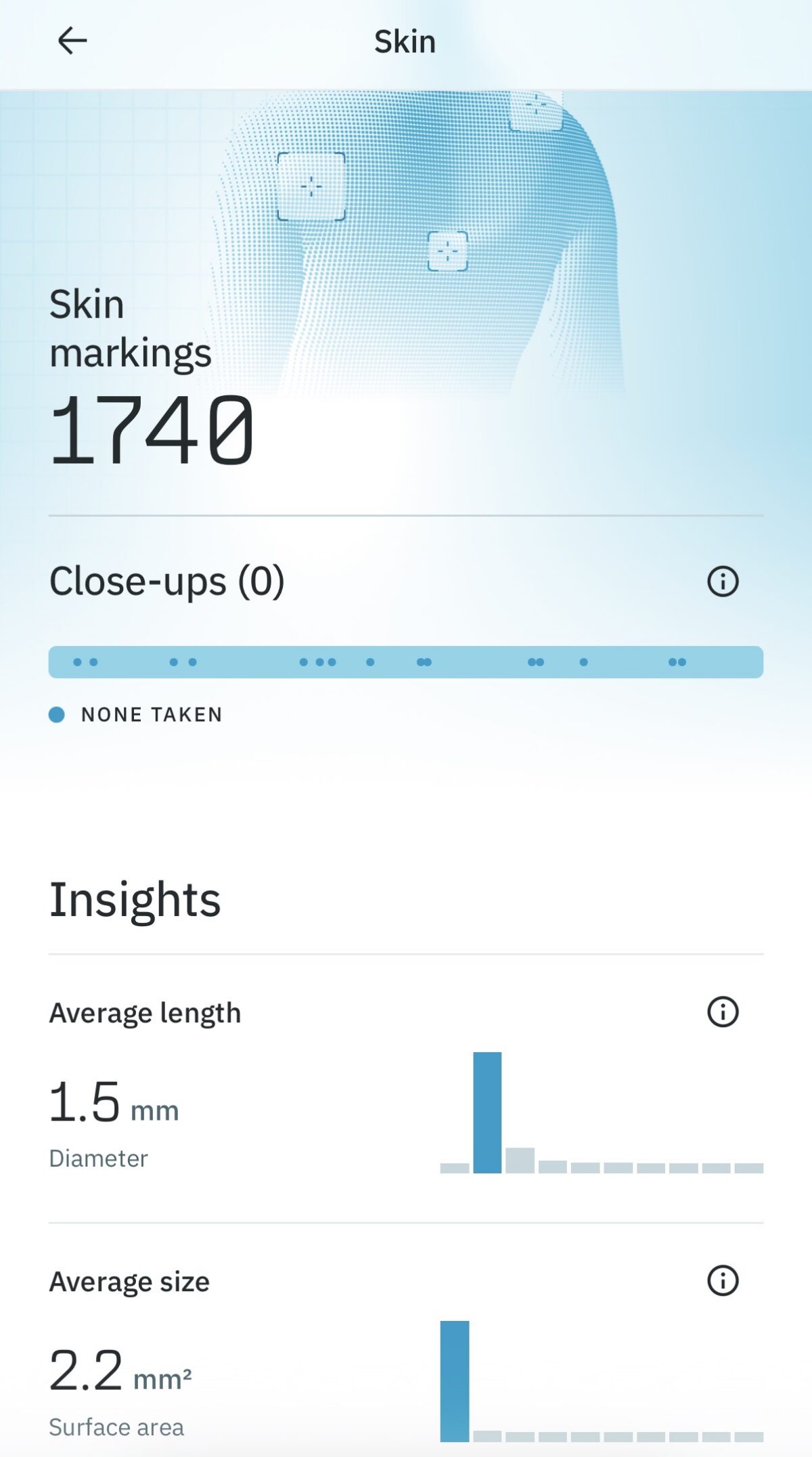
Then there was my skin. The scan identified 1,740 skin markings, which sounds objectively alarming. Apparently, I’m basically a walking mole. But despite that very large number, none of the markings were flagged as something I needed to monitor or have evaluated further. It was a good example of how the sheer quantity of information the scan provides can sound much scarier than what the results actually mean.

After my scan, I spoke with Dr. Gina Zarella, a board-certified family medicine physician in Pembroke, MA, who is not affiliated with Neko Health, to better understand how much weight people should actually give results like these. According to Zarella, a scan like Neko’s can provide useful information about cardiovascular and metabolic risk, circulation and certain skin findings. But she cautions against treating a reassuring result as proof that everything in your body is fine.

An all clear, she explained, only applies to the conditions and risk factors that were actually assessed. It isn’t a substitute for established preventive screenings like mammograms, Pap smears or colonoscopies. In other words, you can absolutely receive normal results from a Neko scan and still have an underlying health issue. The sheer volume of information makes the scan feel incredibly comprehensive, but comprehensive isn’t the same thing as exhaustive.

There’s another potential downside to collecting so much information: Sometimes you find things that don’t actually matter.

“The more things we measure in a person, the greater the chance that we’ll find something outside the normal range,” Zarella explains. In medicine, these are often called incidental findings. An unusual result doesn’t necessarily mean disease, but it can trigger additional appointments, tests and procedures—not to mention anxiety—only to eventually turn out to be benign.

That’s why, in her view, the clinician interpreting all of this data may be just as important as the technology collecting it. The challenge isn’t simply finding abnormalities; it’s knowing which ones deserve further investigation, and which can safely be left alone.

neko results 2 1200x2152

Are Body Scans the Future of Healthcare?

Most of us experience healthcare in pieces. You go to one doctor for an annual physical, another for a mammogram, another for a skin check and maybe another when something starts hurting. Test results trickle in, sometimes without much explanation, and it’s often up to the patient to connect the dots. Neko offers a very different vision: Gather a huge amount of health information efficiently, put it in one place and immediately have a clinician help you understand it.

But I don’t think the takeaway should be that one futuristic scan can replace traditional medicine. If anything, my experience made me think the most interesting future lies somewhere in between. Technology may make preventive health screening faster, easier and more comprehensive. But we still need physicians to interpret that information in the context of our symptoms, family history, age and individual risk factors. And we still need the screenings that decades of evidence tell us save lives.

And Americans are about to get the opportunity to try it for themselves. Neko Health will open its first U.S. clinic on September 24 at 300 Lafayette Street in New York City’s SoHo neighborhood, where its signature scan will cost $499. According to the company, more than 25,000 New Yorkers have already joined the waitlist. Globally, more than 350,000 people have joined the waitlist or registered for a Neko Health Scan, and more than 100,000 people in the U.K. and Sweden have already experienced one. Neko also says 75 percent of members book and prepay for their next scan at the end of their first appointment.

neko health body scan results room 1200x1412
Original Photo by Deena Campbell

Those numbers suggest I’m far from the only person intrigued by the idea of getting this much health information in a single visit. Whether services like Neko eventually become a routine part of preventive healthcare remains to be seen—but after experiencing it, I understand why so many people want to find out.

The Bottom Line

Would I do the Neko Health Scan again? Yes. I liked having so much information gathered in one place, and I especially appreciated receiving my results immediately and discussing them with a clinician rather than being left alone to decipher them.

But I walked away with a slightly different perspective than I expected. The value of the scan isn’t that it can tell you everything about your health. It can’t. And a reassuring result isn’t permission to skip your mammogram, Pap smear, colonoscopy, annual physical or other recommended screenings. Instead, I see Neko as another tool in the preventive-health toolbox—a technologically impressive way to gather a lot of information quickly and potentially identify areas worth discussing with your doctor.

And for anyone feeling a little scanxiety,approximately 81 percent of Neko members are generally cleared as being in good health, with no further medical follow-up needed based on their scan results. That’s reassuring, but it’s also worth remembering the scan can only speak to the health markers and conditions it actually assesses.

I also left feeling like the data was something I could actually use, largely because of the clinician who walked me through it. She took the time to thoroughly explain what my numbers meant and help me understand what was considered normal; and, just as importantly, what I should keep an eye on. I brought that information back home to the U.S. feeling much more informed about my baseline health and the markers I want to continue monitoring with my doctors. My goal is to return to Neko annually, so I can compare my results year over year and see how my health is changing over time.

For me, the future of healthcare is not headed toward one magical test that tells us everything, but more about giving us better information earlier and, crucially, having a qualified medical professional there to help us understand what that information actually means.


Deena Headshot

Deena Campbell

Fashion and Beauty Director-at-Large

  • Oversees fashion and beauty content. 
  • Former Beauty Director at Marie Claire; editorial lead at Allure, Essence, and L’Oréal-owned beauty platforms
  • Advocate for inclusive storytelling in style, beauty, and wellness