I first encountered this wearable tech a few years ago, when a friend tried an early iteration, which yielded the hardly revolutionary insight that he slept worse when he had a few drinks. I wasn’t impressed by such revelations, until the Oura Ring Gen 3 model arrived. That's the model I tested below; it was discontinued last year and replaced by the Gen 4. There have been quite a few updates, notably:
- More color options. There are ten including rose gold, "Cloud" and "Petal" versus the Gen 3's four neutral colorways.
- Expanded sizing. The Gen 4 is available in size 4 to 15, expanded from the Gen 3's size 6 to 13 offering.
- Increased battery life. The Gen 4 gives you up to eight days off a single charge, one more than the Gen 3.
- Improved sensors and accuracy. The Gen 3 had eight signal pathways that collected data. The Gen 4 Oura Ring has 18, plus Smart Sensing technology.
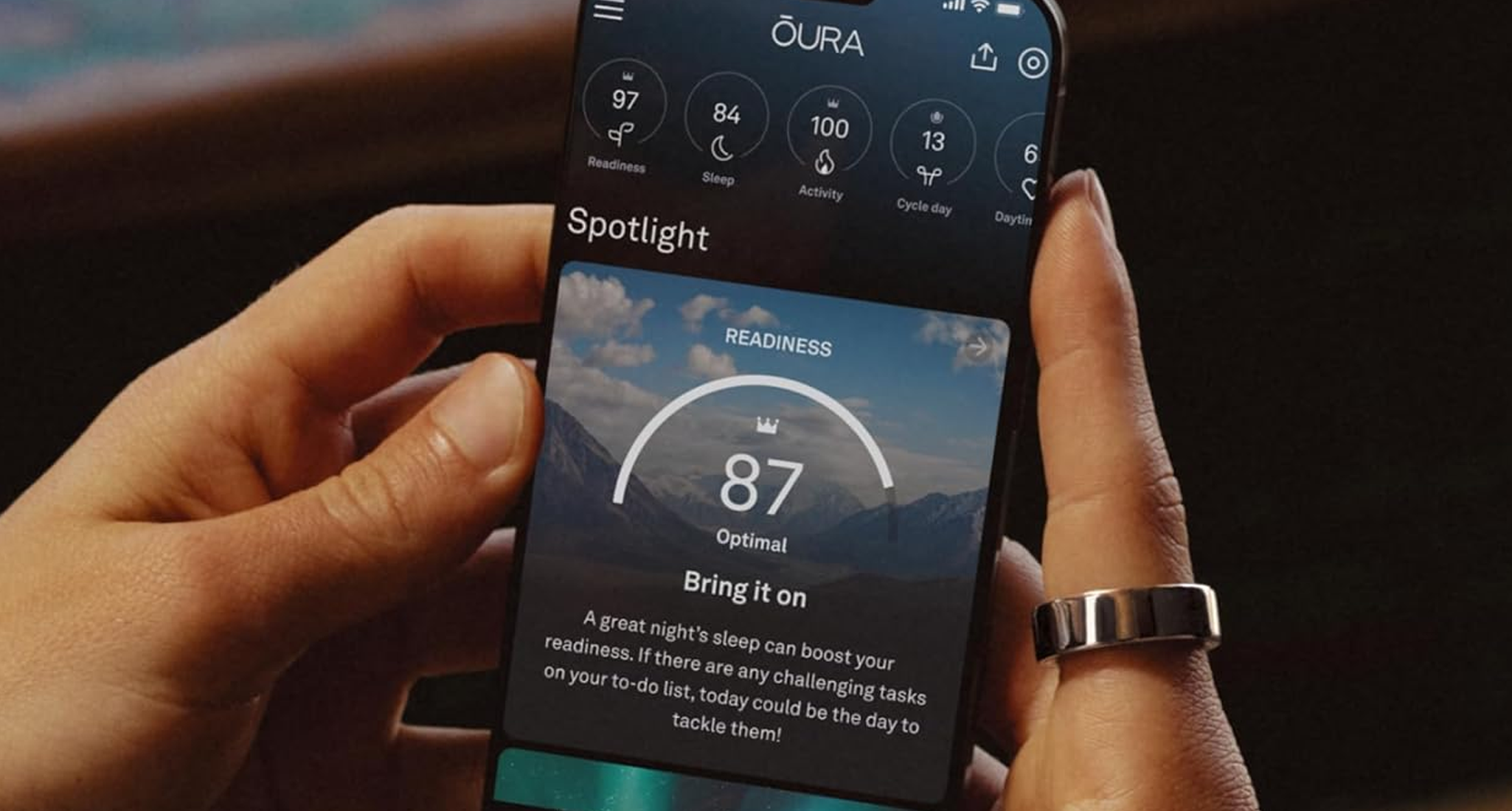
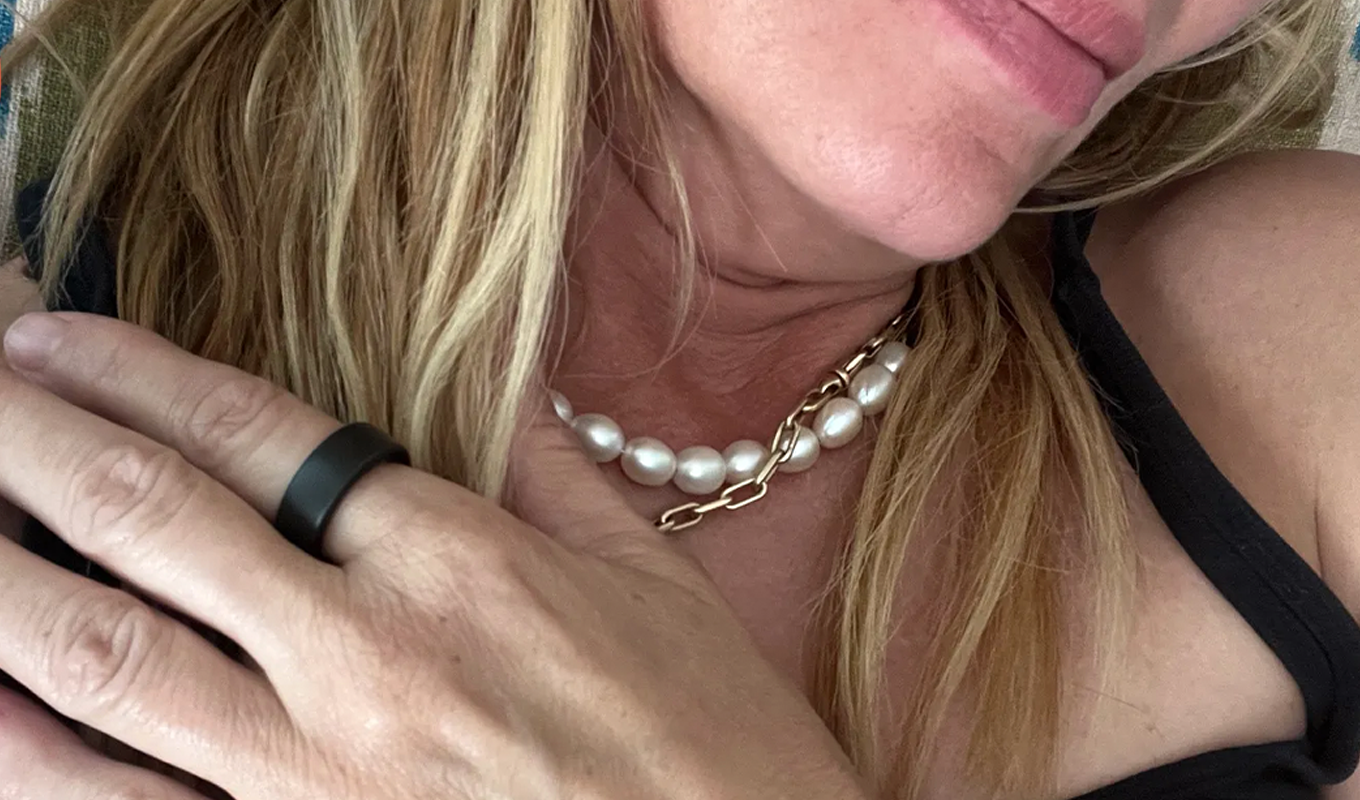
However, the app and experience remain the same. For wearable tech neophytes, this sleep and wellness tracker looks like a simple wedding band but is actually a titanium band filled with technology that enables it to track wearers’ sleep stages, menstrual cycles, heart rate, blood oxygen level, breathing rate, skin temperature and heart rate variability (which I didn’t even know was a thing, until the Oura Ring made me ashamed of mine…more on that in a minute).
I've been wearing my Oura Ring for years now, and after getting my friend to get one, we compare scores and look at metrics all the time. I’d just been seriously looking at my sleep score, readiness score and other metrics when my pal called me in a panic. She was seriously agitated over what she perceived as such an alarmingly elevated resting heart rate that she called her cardiologist—she’s seen a heart specialist ever since suffering a mild stroke a year ago—who gently told her to take off her Oura Ring until she’d had an EKG to make sure everything was fine (it was). I flip through my daily Oura Ring biometrics on the app, and even when I slip up and get less than six hours of sleep a night, I am usually pleasantly surprised by how much I learn about not only the science of sleep and overall well-being, but also how I can personally make slight adjustments to my daily habits in order to feel better. So here’s my takeaway—if you’re a hair-trigger symptoms Googler, you need to remember that this ring is not an electrocardiogram that’s poised to tell you death is impending. It’s just information that helpfully guides you to behavior changes or even a medical check-up, but not data that should stress you out. Today, my friend is back to wearing her Oura Ring after her doctor ran an electrocardiogram and determined her heart-healthy. “The biometrics this ring gives you for the money is incredible,” she says.