Women Are Diagnosed with Depression More Than Men—Here’s Why

A psychiatrist explains the biological, psychological and social factors at play

women x depression more than men universal
Shutterstock/PureWow

Depression is one of the most common mental health conditions in the United States, affecting an estimated 47 million adults (a staggering 18 percent of the population). But when researchers break those numbers down by gender, a striking pattern emerges: women are diagnosed at roughly twice the rate of men.

So what explains the gap? Are women actually experiencing depression more frequently, or are men simply less likely to receive a diagnosis?

The answer…is complicated. Here, a psychiatrist breaks down the biological, psychological and social factors contributing to this unsettling trend.

Meet the Expert

Judith Joseph, M.D., M.B.A., is a board-certified psychiatrist and chair of the Women in Medicine Initiative at Columbia University Vagelos College of Physicians & Surgeons. A clinical assistant professor of child and adolescent psychiatry at NYU Langone, she has led more than 130 clinical research studies focused on mental health across the lifespan, including women’s mental health and depression.

Understanding Depression

When people picture depression, they often imagine uncontrollable sobbing or the inability to get out of bed. And while those certainly can be symptoms, it’s often more nuanced than that.

Postpartum depression, for example, occurs after childbirth and can last for months or even years if left untreated. Seasonal affective disorder (SAD), on the other hand, is linked to seasonal changes and usually appears during the darker months of fall and winter.

But the most widely diagnosed form is major depressive disorder (MDD), also known as clinical depression.

MDD is defined as a period of persistent depressed mood or anhedonia—a loss of interest or pleasure in activities—along with at least five additional symptoms of depression. “Anhedonia is sneaky and is often overlooked and missed,” notes Dr. Joseph. “It happens when you lose a zest for life and things feel dull and bleh.”

To qualify as clinical depression, symptoms must last at least two weeks and significantly interfere with daily life.

Some common symptoms include:

  • Persistent sadness or low mood
  • Loss of interest in activities once enjoyed
  • Fatigue or low energy
  • Changes in sleep or appetite
  • Difficulty concentrating
  • Feelings of guilt or worthlessness

“This is different from just fluctuating sadness or stress,” Dr. Joseph explains. “These symptoms must be present most of the day, nearly every day, for two weeks or more.”

So Why Are Women Diagnosed With Depression More Often?

There’s no one clear answer for why women are diagnosed with depression more often. Instead, experts say it’s likely a mix of factors, including:

Social, Psychological and Environmental Factors

Remember America Ferrera’s iconic Barbie speech about how “it is literally impossible to be a woman”? It resonated for a reason. Many women are juggling careers, caregiving, household responsibilities and the never-ending mental load, all while feeling pressure to look and act a certain way. (Or as Ferrera puts it, “We have to always be extraordinary, but somehow we're always doing it wrong.”) It’s a recipe for chronic stress, which can take a real toll on mental health over time.

Dr. Joseph also notes that women experience certain forms of trauma—like sexual assault, intimate partner violence and domestic abuse—at higher rates than men, and trauma exposure is a major predictor of depression.

Hormonal and Biological Differences

Biology may also play a role in depression risk. Women experience hormonal shifts throughout their lives that can affect mood regulation, including during the menstrual cycle, pregnancy, postpartum recovery and menopause.

“Women go through hormonal fluctuations that could put them at risk for depression,” Dr. Joseph explains, adding that these hormonal changes can affect brain chemicals like serotonin and GABA, which are closely linked to mood and anxiety.

Women Are More Likely to Talk About Their Feelings and Seek Help

Think about the difference between a night out with your girlfriends—where you’ve covered everything from work stress to relationship drama—and the way many men describe hanging out with the boys (“The Patriots won.”).

“Women are often more likely to voice their feelings,” Dr. Joseph notes. “That may lead to higher rates of reported depression.”

Symptoms of Depression May Look Different in Men

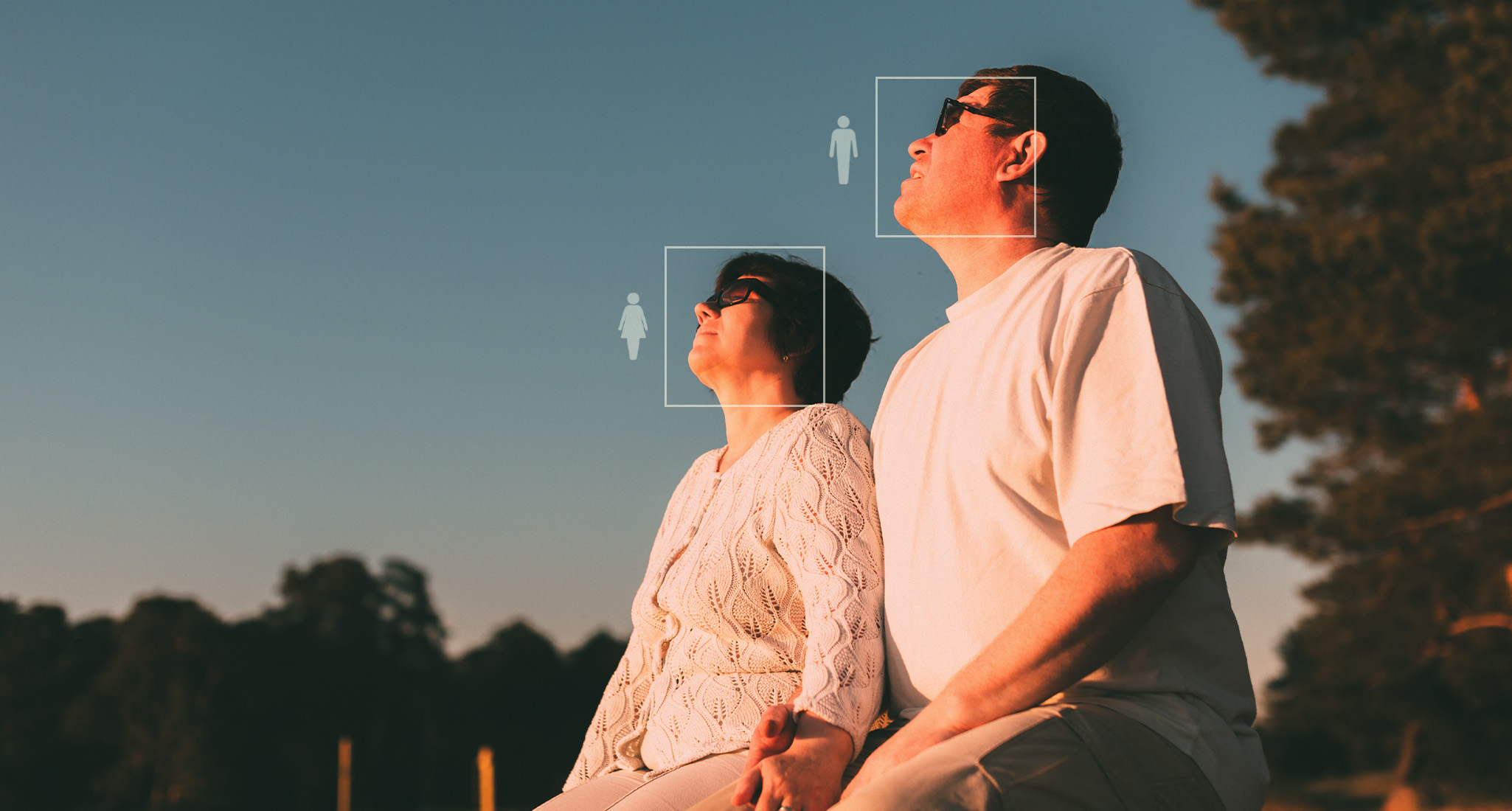
Another piece of the puzzle is that depression doesn’t always look the same in men.

“Men tend to show more irritability and anger when they are depressed compared to women,” Dr. Joseph says. “They may shut down and withdraw, whereas women tend to be more verbally expressive and show more emotion.”

This means that depression rates in men may actually be closer to women’s rates than the data suggests. But because those behaviors don’t always match the traditional image of depression, symptoms in men are more likely to be overlooked.

What to Do If You Notice the Signs

If you start noticing symptoms of depression—either in yourself or someone else—the first step is to acknowledge those feelings and talk about them, says Dr. Joseph.

“One of the symptoms of depression is guilt and shame. This prevents many people from reaching out for help,” the expert adds. As such, if you’re worried about someone else, creating a supportive environment can make a big difference.

And if symptoms persist, professional support can help. A therapist can evaluate what’s going on and recommend treatment options, ranging from therapy to lifestyle changes to medication. The most important thing to remember is that depression is treatable, and no one has to navigate it alone.


Alexia Dellner profile shot v2

Contributing Editor

  • Lifestyle editor focusing primarily on family, wellness and travel
  • Has more than 10 years experience writing and editing
  • Studied journalism at the University of Westminster in London, UK