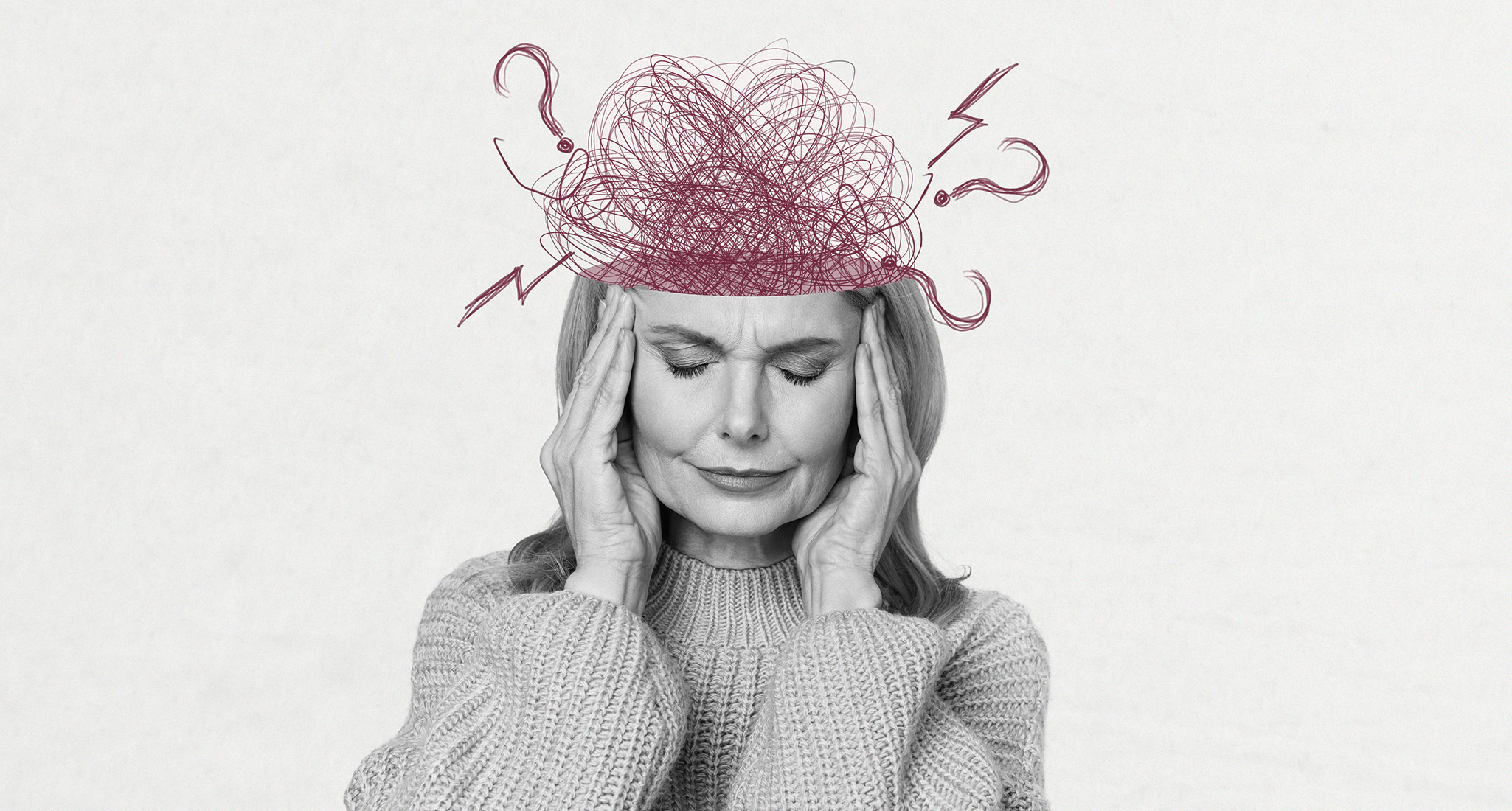
“The definition of anxiety is a feeling of unease, worry or fear. It is an emotional response that is characterized by feelings such as tension, physical changes like rapid heart rate, increased blood pressure, heavy breathing, tingling in your extremities and worry and fear," Dr. Girgis says. "While this reaction is actually a warning, it is very common for most people. However, there are those who suffer from it to the point of needing medication and therapies to manage. Anxiety is both a mental and physical state of negative expectation. Mentally, it is characterized by increased arousal and apprehension tortured into distressing worry, and physically by unpleasant activation of multiple body systems—all to facilitate response to an unknown danger, whether real or imagined."
He continues, “This being said, I firmly believe that anxiety can be a common and natural way of your brain/body giving you warning signals that something needs to change. It is actually a natural biological component of the brain’s reaction to an experience, and when it is acknowledged, it can be a reason for making changes in one's life in a healthy way. An example would be leaving a job that is heading nowhere, taking all of your energy and joy making it difficult to have balance in your life. While change is stressful and can create anxiety, it does not mean you are in crisis and need medical treatment. I have seen people make positive changes and begin a life lived well by recognizing where the anxiety is coming from.”